Pouring a Garage Floor When Ceres Heats Up
Summer heat changes how long resin stays workable, so a garage pour gets planned around the slab, the forecast and an early start.
A lot of Ceres homeowners decide to coat the garage in late spring, once the garage has been cleaned out and the weekends free up. That puts the job right into the hottest months. Resin does not care about the calendar. It cares about the temperature of the slab, the air and the bucket, and in a hot garage all three run high. A summer pour comes out fine when the crew plans for it. For slab prep, the moisture test, the hot tire topcoat and flake versus solid versus metallic, read the Ceres garage coatings page first.
Heat runs the clock
Every resin has an open time, the window when it can still be spread, moved and leveled. Heat shrinks that window. A resin that stays workable for a comfortable stretch on a cool day near the coast gives the crew noticeably less time here in July, with the door rolled up and the sun on the driveway.
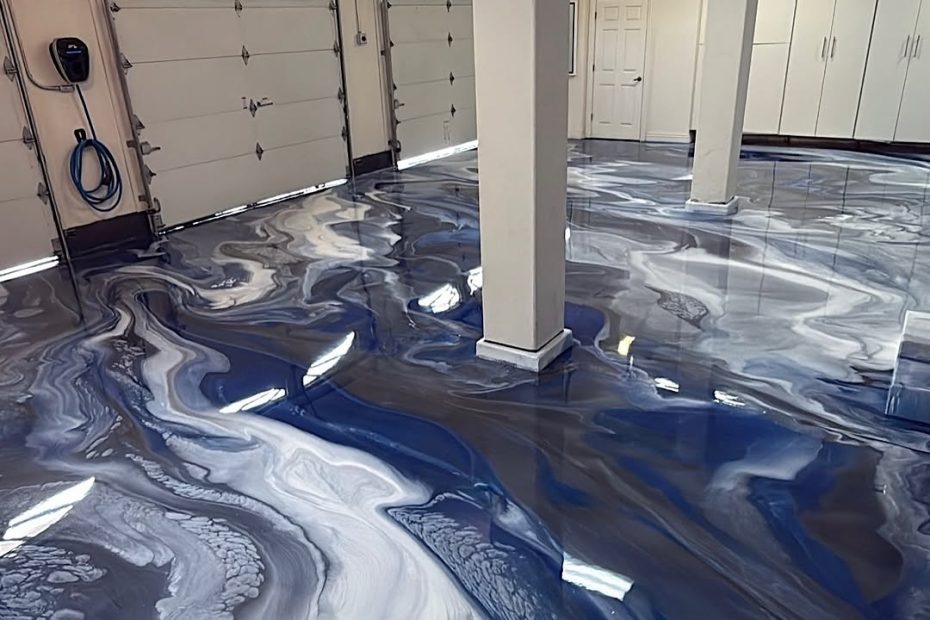
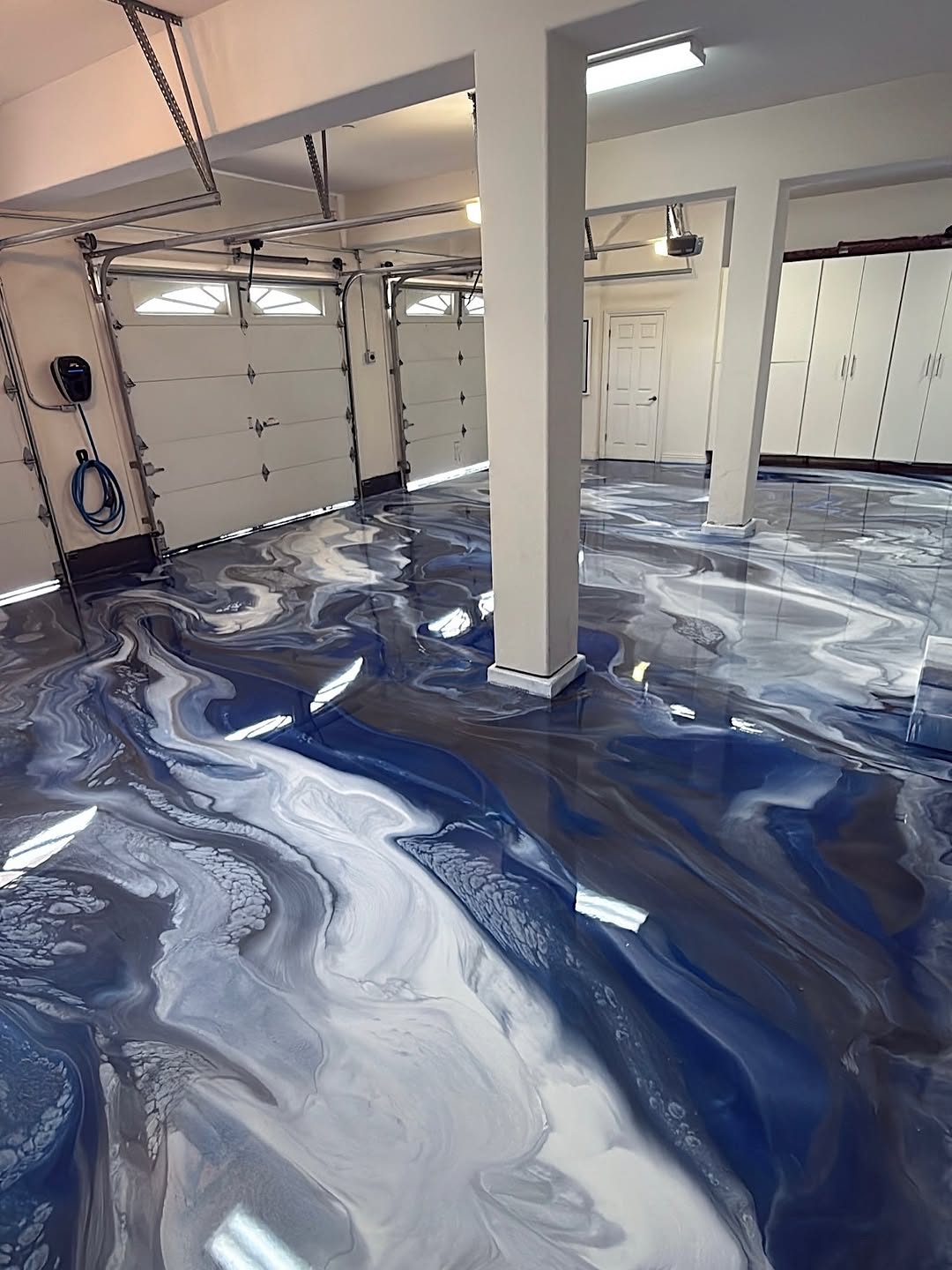
Metallics feel that loss the most. The pearl and mica need those minutes to wander through the wet resin and gather into the veins and clouds that give the floor its depth. When the resin firms up early, the pattern locks in half formed and the floor looks flat and smudged.
Flake floors take the heat in stride. A quick set is actually a plus there, because the loose chips are ready to scrape off and vacuum earlier, and the topcoat can often follow without a second visit. Solid color floors sit somewhere in the middle. Whatever you pick, the heat decides how the day is laid out, and Johnny plans for it before the crew arrives.
How the crew works the window
On a hot-weather job the day starts early, while the slab is at its coolest. Material gets staged in the shade instead of on the driveway. The garage door is managed through the day, open for airflow during grinding and mostly down once resin is going on, so the sun never hits one side of the floor harder than the other.
Batches stay small. Mixing a big pot in the heat is how a crew ends up racing resin that is setting in the bucket. Smaller batches mean more trips to the mixing station, and each batch goes down while it still flows.
A few things help from your end. Clear the garage fully the day before, including shelves and anything stacked along the walls. Park cars somewhere else the night before so the slab is not warmed by a hot engine. If the garage has a side door to the yard, keep it shut so dust stays out of the wet coats.
The slab has a temperature too
Air temperature is what people check, but the resin sits on the slab, and concrete holds heat. A garage that faces west can take afternoon sun on its door for hours. The slab behind that door soaks it up and is still warm the next morning, even after the air has cooled off.
That is why the crew reads the slab itself, with an infrared thermometer, before anything gets mixed. They check near the door, in the middle and at the back wall, because a floor can be noticeably warmer where the sun hits. A warm patch sets faster than the rest, which matters most when a metallic is being worked across the whole floor in one go.
You can help the slab cool. Keep the door shut the afternoon before so the sun is not baking it. If the garage connects to the house, leaving the inside door open overnight lets cooler air drift in. A fan pulling air through in the evening helps too. Small changes like those buy the crew minutes the next morning.
Letting the forecast pick the day
A pour date set weeks ahead can run straight into a heat wave. Johnny watches the forecast for the week of the job and will move the date if a stretch of extreme heat lands on it, especially for a metallic.
Moving a day or two is almost always better than fighting the weather. A cooler morning gives the crew more open time, a more even set across the floor and less risk of a flat pattern. A flake floor is more forgiving and can often go ahead in heat that would push a metallic back.
Wind matters as well. A dry, gusty day blows dust off the street and the yard, and any opening in the garage lets it settle on wet resin. If the forecast calls for wind, the crew keeps the door down more and may shift the order of work.
When you book, keep a little flexibility in the week. A homeowner who can slide the pour a day gets a better floor than one locked into a single date.
Three days without the garage in July
Foot traffic is usually fine the next morning. Vehicles go back in at seventy two hours in most cases. Those three days are easy to plan in spring. In July they take some thought, because the cars that normally sit in a cool garage spend that time outside.
Park in the shade if you have it, or use a cover. A car that has baked in the driveway for three days brings hot tires back onto a floor that just finished curing, so on the first night back let it cool for a while before you pull in.
Anything that lived in the garage and does not like heat, such as paint, batteries, aerosol cans or a spare fridge full of drinks, needs a spot in the house or a shaded side yard. Plan that before the crew arrives, so the garage can be emptied the day before.
Questions about a summer garage pour
Is spring or fall a better time to coat a garage?
Milder weather gives the crew more working time with the resin, which matters most on a metallic. Summer jobs still turn out fine when the crew starts early and keeps batches small. Book whenever the garage can be emptied. Johnny will tell you if the forecast for your week changes the plan.
When can I park in the garage again?
Walking on the floor is usually fine the next morning. Vehicles go back in at seventy two hours in most cases. Johnny confirms the timing for your floor before the job starts, and tells you if the weather that week changes it. Plan where the cars sleep for those few nights.
Does the garage door stay open while the crew works?
It opens and closes as the job needs. Grinding goes better with airflow. Once resin is down, an open door lets in sun, heat and blowing dust, so the crew keeps it mostly down while the coats set. Keep kids, pets and curious neighbors out until Johnny says the floor can take feet.
Gold Coast Resin coats garages all over Ceres. See the Ceres page, read the garage coatings details, ask Johnny to look at your garage, or call (650) 797-3040. If the slab you need coated is in a steel shop out back, the warehouse flooring page covers that.
Get a date on Johnny’s calendar
He checks the slab, watches the forecast for your week and plans the pour around the heat. The visit is a free site assessment.
Call (650) 797-3040