Floors for Ranch Houses, Rebuilds and the Los Altos Village
Los Altos is a town of single-family streets, where a 1950s ranch house can sit next door to a brand new rebuild. The floors that fit here are mostly garages and living spaces on a slab, plus the shops and restaurants downtown. Johnny Mendoza drives up from Hollister, reads the slab you actually have and builds the floor around it.
JP Resin Certified · Don Resin Certified · From Hollister to the Los Altos Village
Los Altos sits between Palo Alto, Mountain View and Los Altos Hills, a drive up from Hollister.
Ranch houses, Eichlers and the rebuild next door
Walk almost any Los Altos street and you see two eras side by side. Low 1950s ranch houses and Eichlers still line plenty of blocks, and between them sit the rebuilds, bigger houses where an older place came down and a new slab went in. About 30,700 people live here, and most of them live in single-family homes.
Those two kinds of house ask for different floors. An older slab has had seventy years to settle, crack and collect patches, and an Eichler slab may carry radiant heat tubing that rules out drilling and limits how deep anyone can grind. A rebuild usually starts clean, with a new pour and a builder on a schedule, so the question becomes timing: when the slab has cured enough to coat, and who else needs the floor that week.
Two houses on the same block can need completely different prep under the same finish.
Johnny treats each one as its own job. He looks at the slab before he talks about color, and he takes moisture readings wherever a new floor is going over an older pour. If tubing runs through the slab, he wants to know where before any tool touches it.
The village is the other half of the picture. Shops and restaurants around Main Street and State Street need floors that go in around their open hours, and he plans that work around the days you can close the doors.
Finished floors from Gold Coast’s other jobs
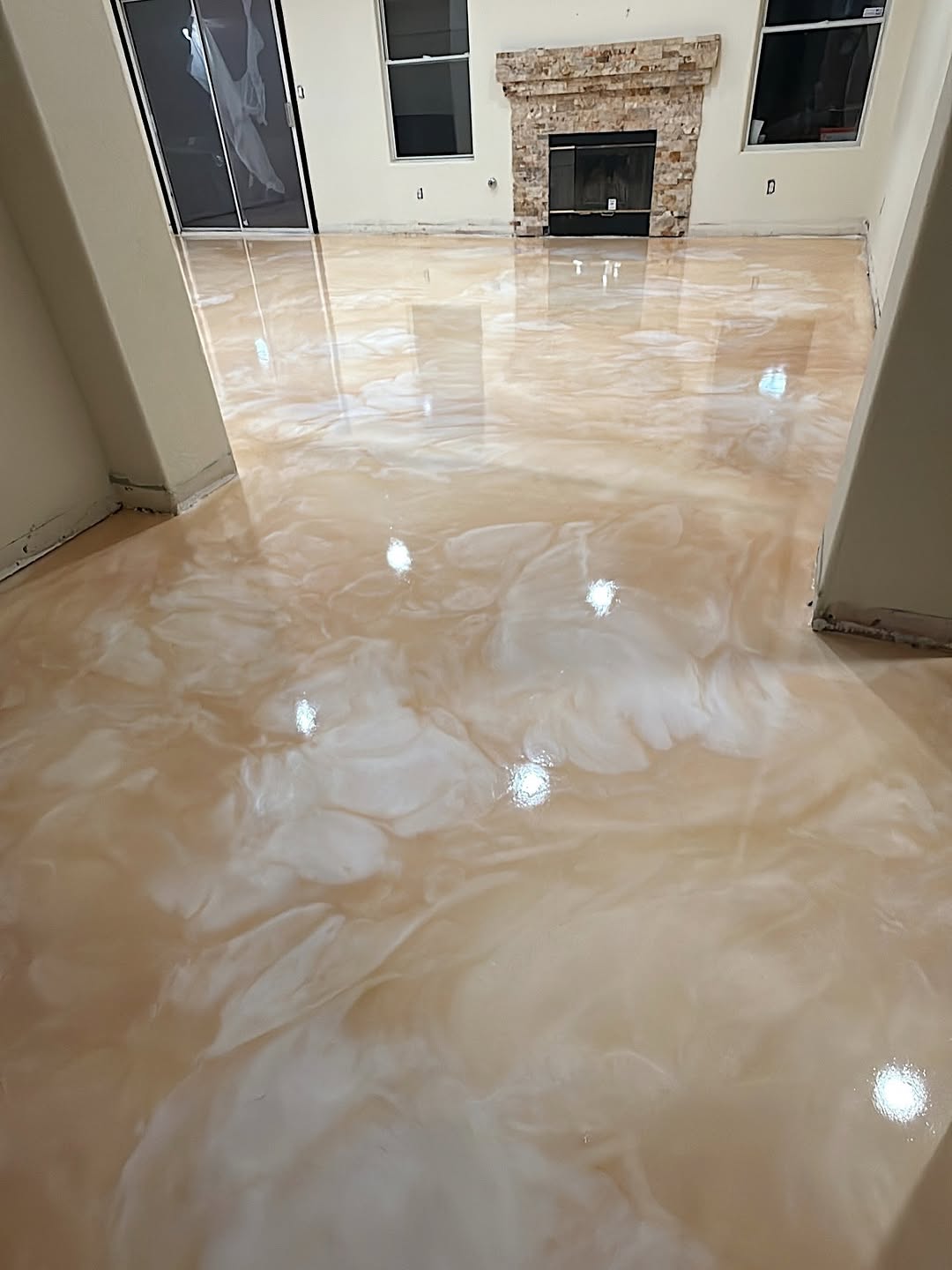
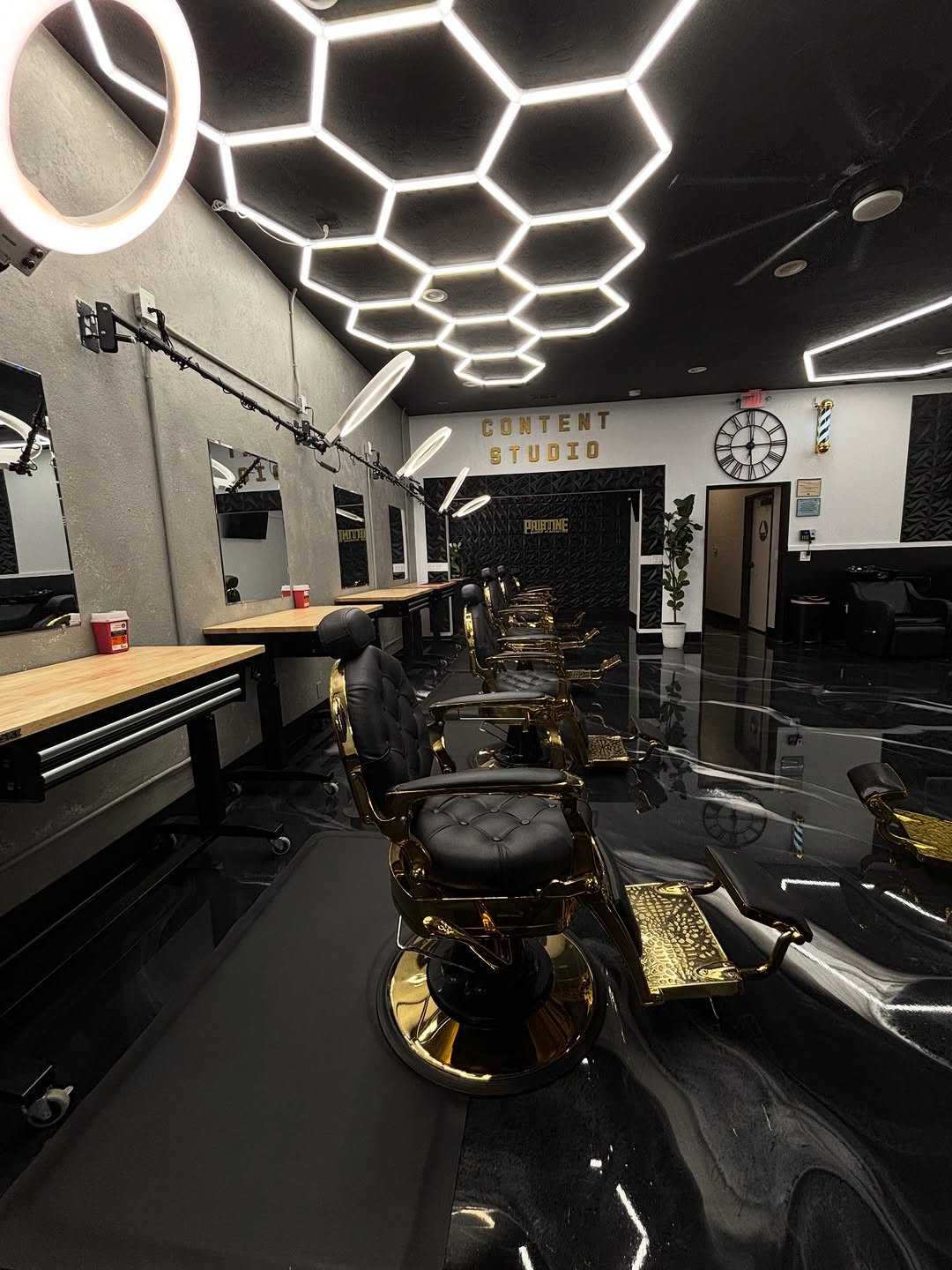
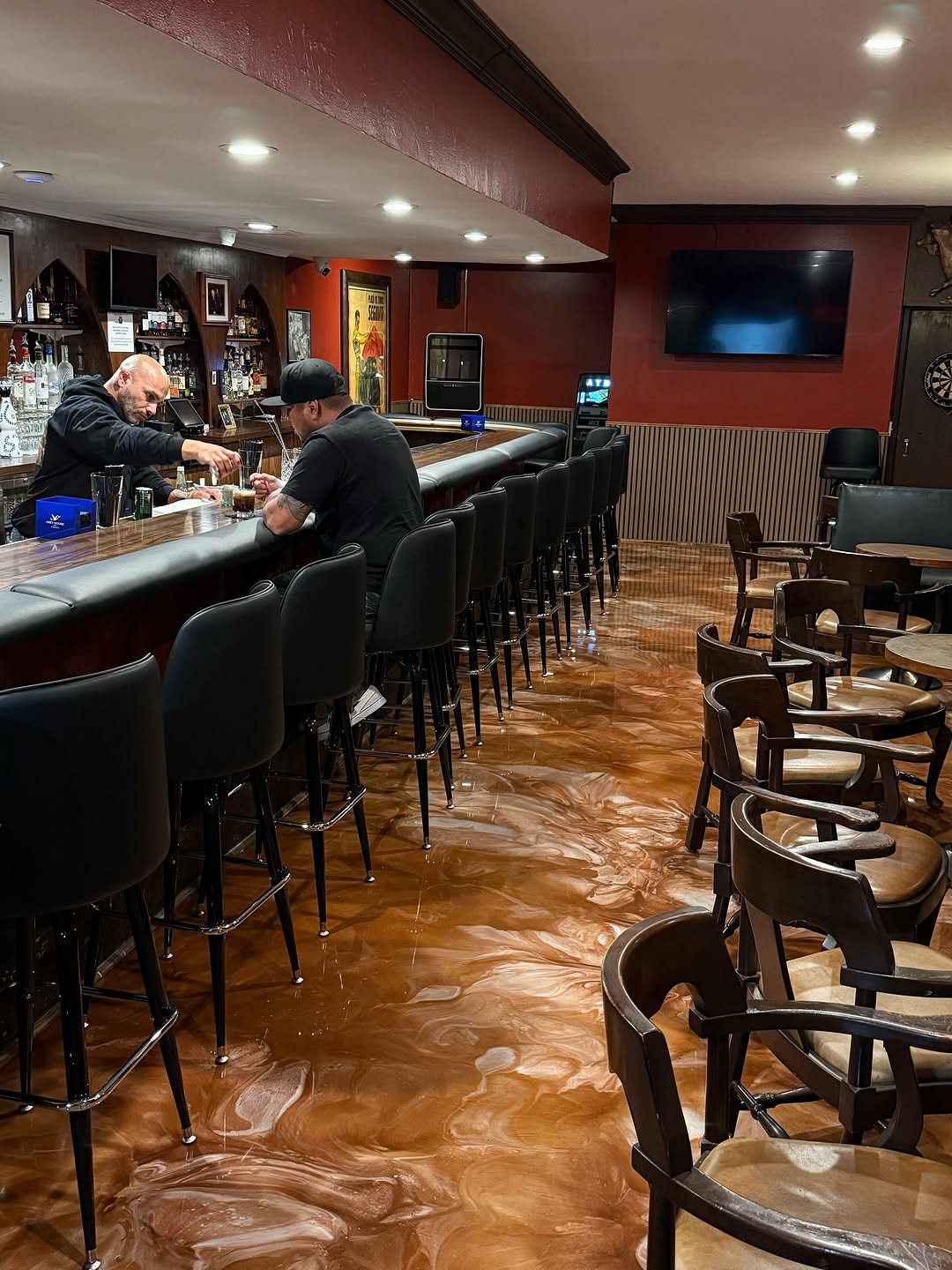
These floors were laid elsewhere in Johnny’s service area, not in Los Altos, and they show the range a single slab can take. More rooms, garages included, are in the gallery.
What Los Altos houses and storefronts ask for
Four kinds of work cover most of what a Los Altos owner calls about, each with its own slab and its own schedule.
Attached garages
Most houses here park on the original slab, often marked with oil spots, hairline cracks and a tired sealer. A full flake broadcast hides that history, grips under wet tires and sweeps clean, and its topcoat stands up to hot tires.
Eichler living spaces
Open rooms on a slab with radiant heat tubing inside it. A thin metallic or a polished slab keeps the heat moving into the room, where carpet and pad would slow it down. Johnny locates the tubing before any grinding and never drills blind.
Rebuilds
A new house, a new pour and a builder working to a schedule. Johnny coordinates with the builder on cure time and on when the other trades are out of the way, so the floor goes down once and stays clean until move-in.
Village storefronts
Shops and restaurants downtown, often in older buildings with older slabs. Sales floors get phased around open hours, and a restaurant kitchen may need a different system from its dining room. The work runs on the days the doors are closed.
Coating a slab that heats the house
An Eichler slab with radiant tubing is a floor that changes temperature every day the heat runs. That matters for a coating. Warm water moving through the tubing makes the slab expand slightly, and it shrinks again when the system cycles off, so whatever sits on top has to tolerate that movement for years without letting go. A thin, well-bonded system handles it. A thick, rigid build over radiant heat is asking for trouble.
Before any grinder comes out, the tubing has to be mapped. Johnny asks for the house plans first. Without them, he runs the heat and reads the warm slab with a thermal camera, since the loops show up as warmer bands. Cracks and patches near those bands get repaired with extra care, and nobody drills into an Eichler slab on a guess.
Then there is the cure. Resin coatings want the slab inside a set temperature range while they harden, so the radiant system is usually turned down a day or two before the work and kept low until the floor is ready for traffic. Johnny sets that schedule with you up front, which matters more in a cold week than a warm one.
On a radiant slab, the heating schedule is part of the floor plan.
Which finish suits a Los Altos house
Inside the house, most people end up choosing between two looks. A metallic floor is poured and worked by hand, so the color moves across the room like light on water, and it suits the long, open rooms of a mid-century plan. No two pours come out alike, which is the point. It reads calmer under a satin topcoat than a high gloss, which helps in a room with big windows.
A flake floor takes the opposite approach. Colored chips are broadcast into the base coat until none of the base shows, then sealed under a clear topcoat. It hides dust and crumbs and gives bare feet some grip, which makes it the easy pick for a mudroom or a laundry. Chip size and blend change the feel, from a fine speckle to a bold mix.
For a lot of houses, the garage is the first floor worth doing. A garage coating over an older slab starts with a hard grind to remove the old sealer and open the surface, then crack repair, then a flake system under a topcoat built for hot tires and the odd oil drip. On a rebuild, the same floor can go in before you ever park on it.
What Los Altos homeowners ask before the work starts
Can you coat the garage in an older ranch house with a cracked slab?
Usually, yes. Hairline cracks get opened up and filled before the base coat, and wider ones get a repair that bonds to both sides. A crack that is still moving will show through any coating eventually, so Johnny looks at its edges and tells you honestly whether it has settled or is still active.
We are rebuilding. When should the floor go in?
Talk to Johnny before the slab is poured if you can. A new slab needs time to cure and dry before any resin goes down, and the floor should go in after the messiest trades are done. Planning that with your builder early keeps the floor from being rushed or scuffed before move-in.
Can a coating go over the radiant heat in our Eichler?
It can, with the right system and the right schedule. A thin, flexible coating bonded to a well-prepared slab handles the daily warm-up and cool-down. The heat gets turned down before the work and stays low through the cure. Johnny maps the tubing first, so repairs and edges stay clear of it.
Do you work on downtown storefronts, or only houses?
Both. Shops and restaurants in the village get the same site assessment as a garage, with the schedule built around the days you close. A sales floor can be phased so part of the store stays open, and a restaurant kitchen usually gets a different system from the dining room.
How long until we can park in the garage again?
It depends on the topcoat and the weather. Fast-curing systems let you walk on the floor within a day, while cars wait longer, since hot tires put real stress on a fresh topcoat. Johnny gives you the walk-on and park-on days in writing before the work starts, so nobody has to guess.
Will the grinding fill the house with dust?
It should not. The grinders run with vacuum dust collection, and the work area gets sealed off from the rest of the house with plastic and tape. Fine dust can still find its way around a doorway now and then, so it pays to clear the shelves nearest the garage door before the first day.
Put a Los Altos site assessment on the calendar
Tell Johnny which rooms you are thinking about, roughly how big they are and whether the house has radiant heat. A few phone photos of the garage or the bare slab help a lot. He makes the drive from Hollister to read the floor in person, then sends a written price where the prep is priced apart from the finish.
Metallic, flake and garage floors are all in the gallery. Want to start by email? Use the contact form and Johnny will reply.