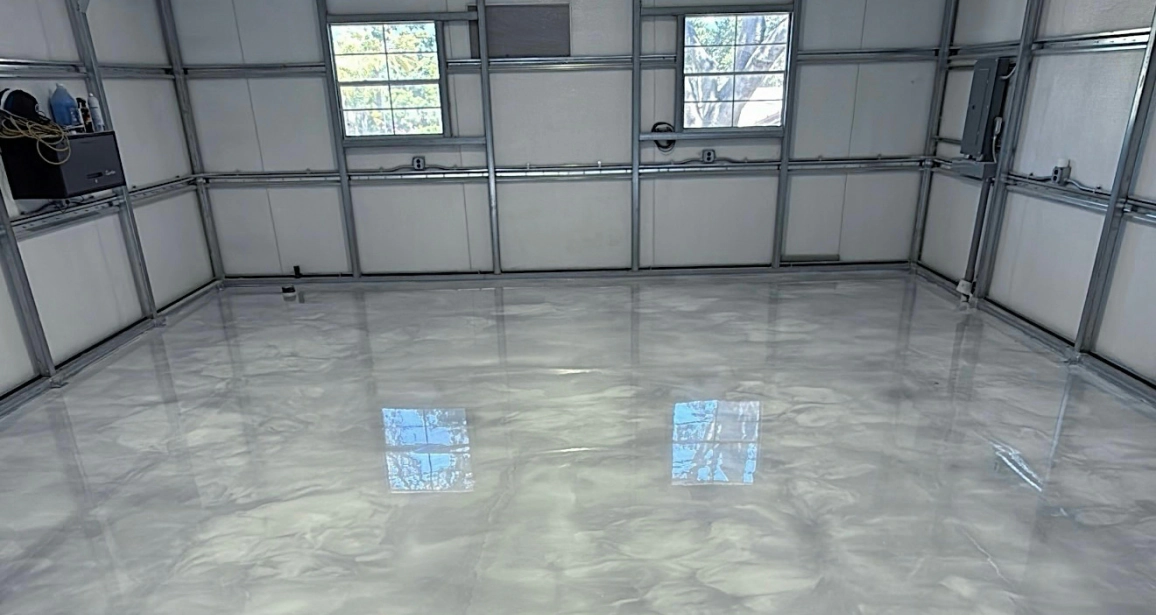
Grow House Flooring, Chemical Resistant, Cultivation Ready
Grow house flooring from Gold Coast Resin protects your cultivation facility from relentless chemical exposure, moisture saturation, and biological contamination. Our smooth epoxy and urethane cement systems resist nutrients, pH-adjusting solutions, pesticides, and constant water exposure while providing antimicrobial protection.
JP Resin Certified·Don Resin Certified·160-Mile Radius
What Is GROW HOUSE FLOORING
Grow house flooring is a specialized resinous coating system engineered for the brutal conditions inside cultivation facilities. Unlike standard garage epoxy, grow house floor coatings create a monolithic, smooth surface that resists concentrated nutrients, pH-adjusting acids and bases, pesticides and fungicides.
The flooring in a cultivation facility is critical infrastructure. Bare slab absorbs water, nutrients, and biological material, creating breeding grounds for mold, root rot pathogens, and bacteria. Cracked floors harbor pests and make decontamination between harvests incomplete.
Gold Coast Resin installs grow house flooring systems that create a waterproof, chemical-resistant barrier. The smooth design eliminates joints, cracks, and grout lines where contaminants hide, giving your facility the hygienic foundation that modern cultivation demands.

PROCESS
Every cultivation floor follows a four-phase process engineered for maximum chemical resistance and waterproof integrity.
Facility Assessment
Johnny evaluates room layouts, drainage patterns, chemical exposure profiles, humidity levels, and traffic patterns. We map every floor drain, containment curb, and transition point.
Surface Preparation
Industrial diamond grinding creates the precise floor surfaces profile for maximum adhesion. Existing contamination is removed completely. Cracks, joints, and damage are repaired.
Coating Application
Multi-layer system with primer for mechanical bonding, body coats for chemical resistance and waterproofing, integral cove base sealing wall-to-floor transitions.
Seal and Inspect
Antimicrobial topcoat seals the entire system. Waterproof integrity testing ensures no moisture penetration. Complete walk-through inspection and documentation.
GOLD COAST RESIN
The difference between a grow house floor that lasts ten years and one that fails after two harvests comes down to understanding cultivation chemistry. Gold Coast Resin does not install generic epoxy in grow facilities.
Our systems offer chemical resistance to cultivation chemicals including concentrated nutrients, pH solutions, and hydrogen peroxide. Antimicrobial surface properties prevent bacterial colonization and mold growth. Seamless cove base integration seals wall-to-floor transitions.
Johnny’s JP Resin and Don Resin certifications mean your cultivation floor is installed with the technical precision that these demanding environments require.
Moisture Testing Comes Before Everything Else
A cultivation room runs high humidity by design, and that changes what the slab underneath is doing. Johnny tests every grow house floor before quoting the work, not after. Calcium chloride for vapor emission, a relative humidity probe drilled into the slab, and a look at whether there is a functioning vapor barrier under there at all. Older warehouse conversions in the Central Valley and repurposed ag buildings around Hollister and Watsonville frequently have no barrier, and a slab sitting on damp soil will push vapor upward continuously. Seal that in with a resin system and no mitigation, and you get blisters and delamination inside a year, usually right where the plumbing runs.
When the numbers come back high, we install a moisture-mitigating primer designed to handle the vapor drive, then build the system on top. It costs a day of schedule. It is also the difference between a floor that survives a decade of wash-downs and one that peels between the second and third harvest. Johnny walks you through the actual test results. You will know exactly what your slab is doing before you decide anything.
Grinding, Cove Base, and Drainage Fall
Prep is diamond grinding to an open CSP 3 profile, heavier than a residential garage because a grow room floor takes far more chemical and mechanical abuse than a car ever will. HEPA extraction keeps the dust contained, which matters more here than almost anywhere: silica dust settling into a room that will hold living plants is a problem nobody wants to solve twice. Existing coatings, curing compounds and old paint come off completely. Cracks and cold joints get cut out and filled with rigid polyurea so they cannot telegraph back through the finished surface.
Then the integral cove base goes in. This is the detail that separates a real cultivation floor from a coated one. Instead of stopping the resin where the floor meets the wall, we carry it up four to six inches in a radiused curve, so there is no ninety-degree corner anywhere in the room. Nothing collects in a corner that does not exist. A pressure washer or a floor scrubber runs straight up the wall and back down without leaving a seam behind. Where drainage matters, Johnny builds fall toward the trench or floor drain into the system with a troweled slurry rather than trusting whatever pitch the original slab happened to have.
Chemical Load, Cure Windows, and Getting Back to Work
The body coats carry the chemical resistance: concentrated nutrient solutions, pH up and pH down, hydrogen peroxide, and the horticultural oils and fungicides that most standard epoxies quietly break down under. The antimicrobial topcoat seals it all and gives you a surface that decontaminates completely between cycles. For rooms running heavy rolling bench traffic, Johnny will add a fine aggregate broadcast under the clear so a wet floor still gives you footing.
Scheduling around a live operation is the part most facility managers actually lose sleep over. Cure windows shift with the room. In Valley heat the resin moves fast, and a room can come back online sooner than expected. Under coastal fog the same material takes noticeably longer, and rushing it is how you get a soft floor that scars under the first bench leg. Johnny sequences the work room by room so the facility keeps running, and he tells you the real return-to-service date rather than the optimistic one. Call (650) 797-3040 for a free look at the slab and a firm price with the phasing laid out.
PROJECTS
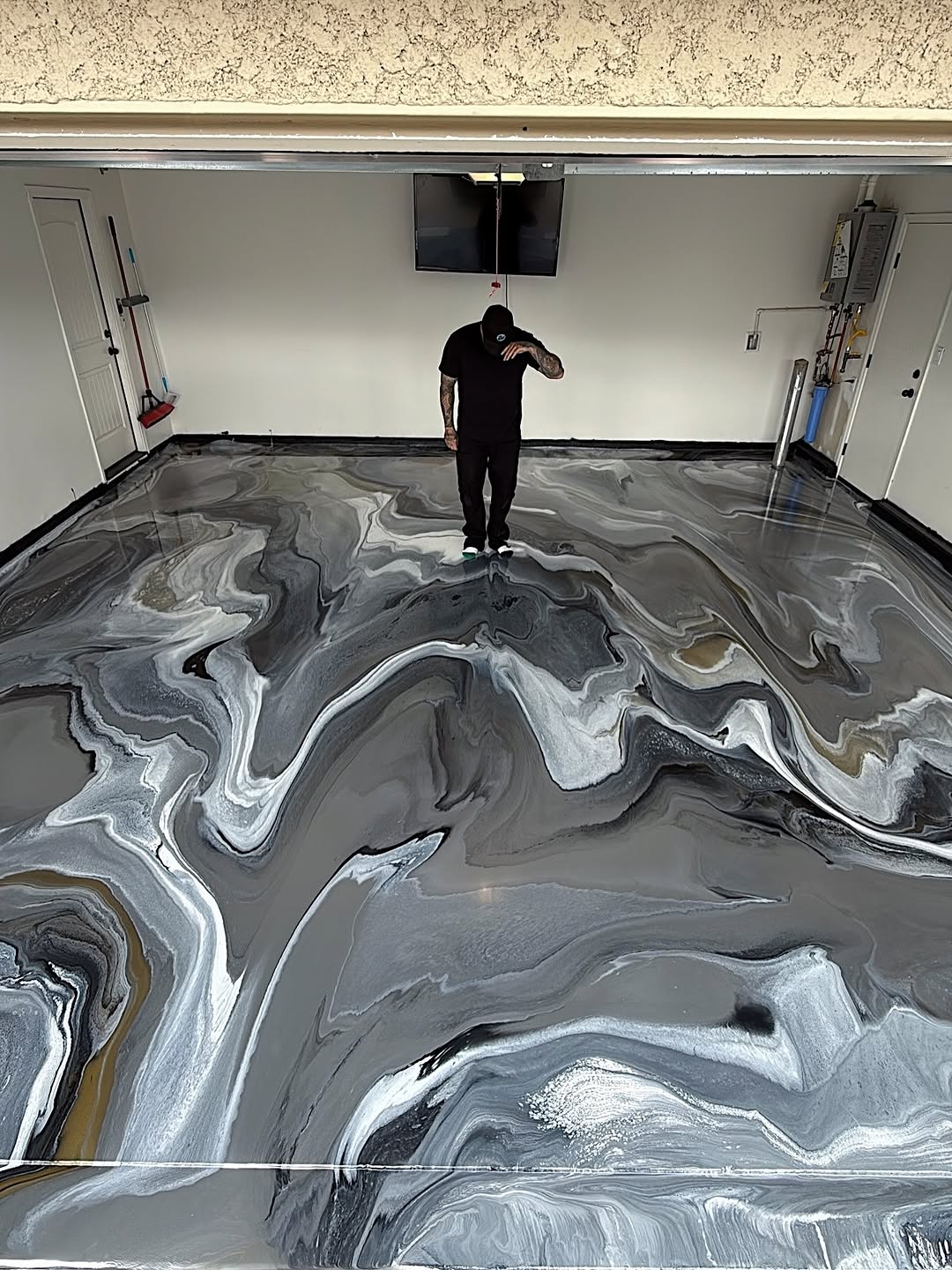
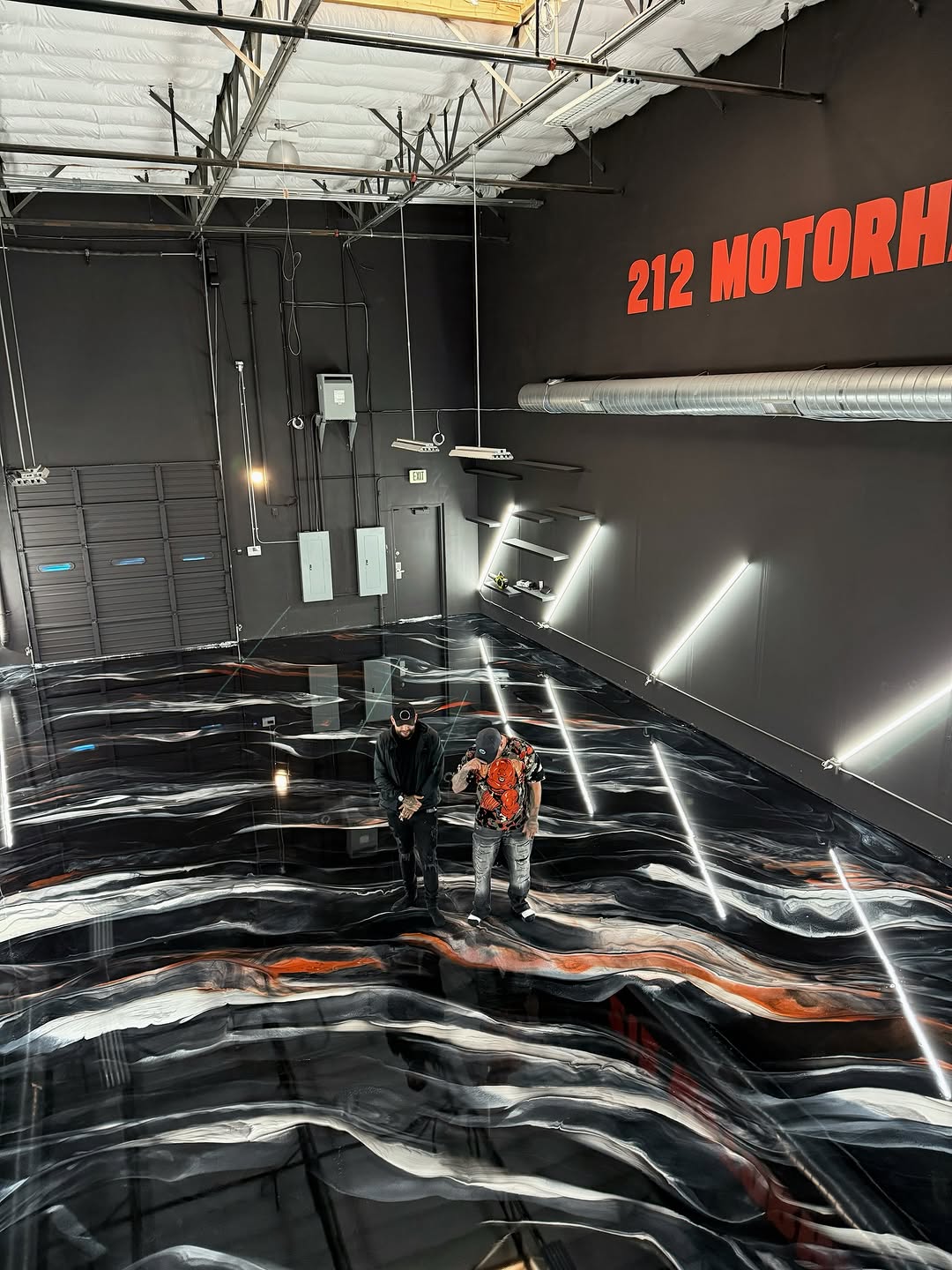
From boutique indoor grows to large-scale facilities. See more in our full project gallery.

“Johnny understood exactly what our facility needed. The floor has survived two full grow cycles with aggressive nutrient runoff, hydrogen peroxide treatments, and daily washdowns without a single mark. Best investment we made in this building.”Cultivation Facility Operator, California
FAQ
INVESTMENT
Call Johnny for a free grow house facility assessment. Chemical-resistant, antimicrobial floor coatings for cultivation facilities across California.