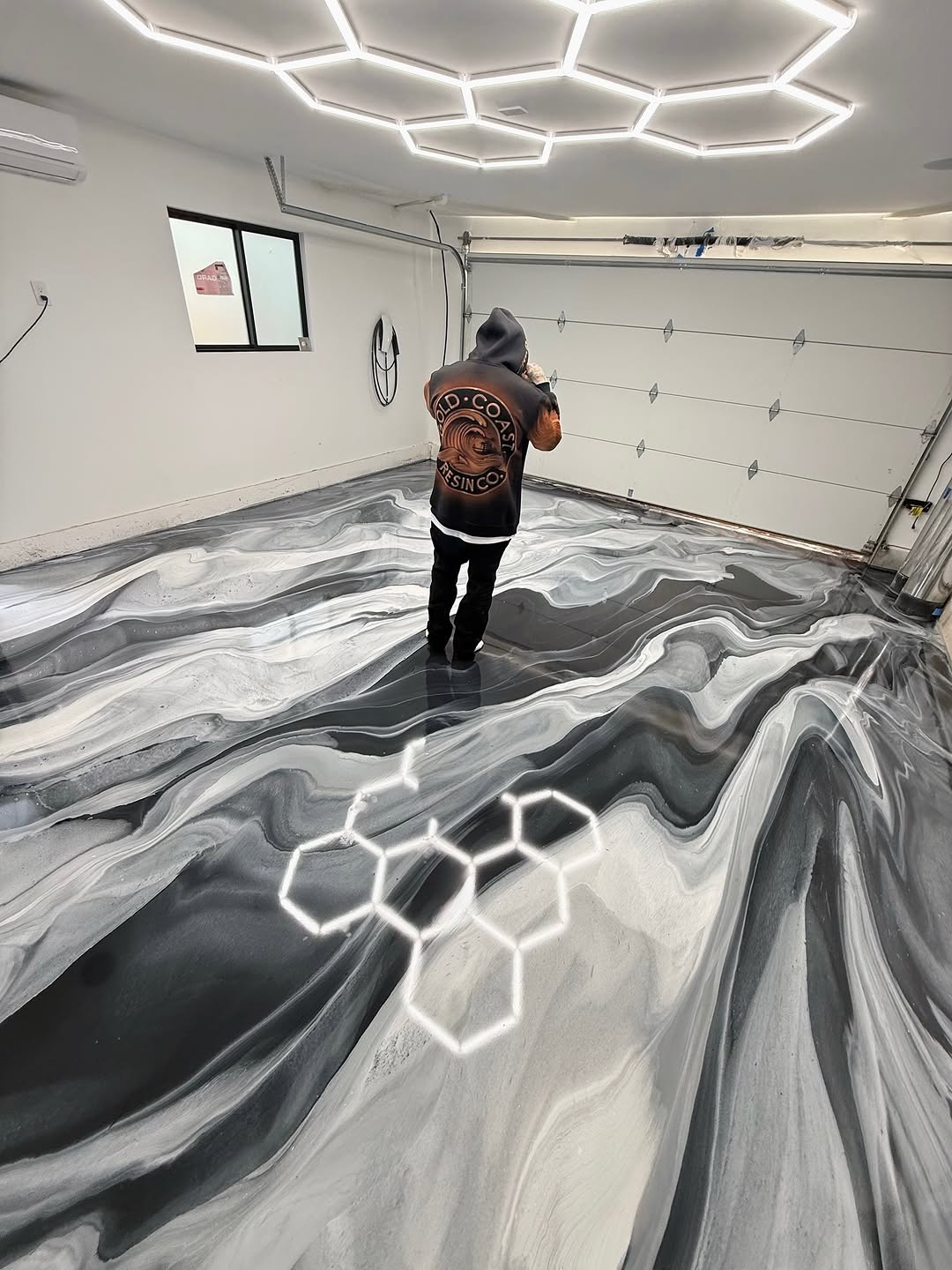
Gilroy Polyaspartic Coatings Fast. Tough. Long-lasting.
Polyaspartic is the coating system for Gilroy clients who need the floor done fast without cutting corners on performance. It cures faster than standard epoxy, holds up to UV exposure where standard epoxy yellows, and delivers the same chemical and abrasion resistance that professional floor coatings are known for. Gold Coast Resin uses polyaspartic both as a standalone coating and as the topcoat that seals every epoxy and flake system we install.
JP Resin Certified·Don Resin Certified·Serving Gilroy
Why Polyaspartic Outperforms Standard Epoxy
Polyaspartic is a second-generation aliphatic polyurea that shares many characteristics with epoxy but adds capabilities that standard epoxy cannot match. The most important is UV stability. Standard epoxy yellows and chalks under direct sunlight because the aromatic chemistry in the resin reacts with UV radiation over time. Polyaspartic’s aliphatic chemistry does not react that way, which makes it the correct choice for any floor with direct sun exposure, including garage floors with open doors, covered patios, and sunlit commercial interiors.
The second major advantage is cure speed. Polyaspartic can be formulated to cure in a fraction of the time that standard epoxy needs, which means a floor coated in the morning can be walked on by afternoon and returned to vehicle service the next day. For commercial spaces in Gilroy that cannot afford extended downtime, polyaspartic systems offer a way to get a professionally installed coating without a multi-day closure.
The tradeoff is working time. Polyaspartic’s fast cure means the installer has less time to work each coat, which demands a higher level of skill and preparation to execute cleanly. Gold Coast Resin’s experience with polyaspartic systems across hundreds of residential and commercial floors in the region means that working time constraint is managed, not gambled with.
That UV stability is a real deciding factor in Gilroy, where the sun is relentless most of the year. A garage with the door open all afternoon, a covered patio off the back of the house, or a storefront with big south-facing glass all take direct light that would turn a standard epoxy amber and chalky within a couple of seasons. Polyaspartic holds its color and clarity in that same exposure, so the floor still looks like the day it went down after years under the valley sun. For a business on Monterey Road or in the outlet corridor, that means the entry and showroom floor keeps looking sharp instead of aging out and needing a redo.
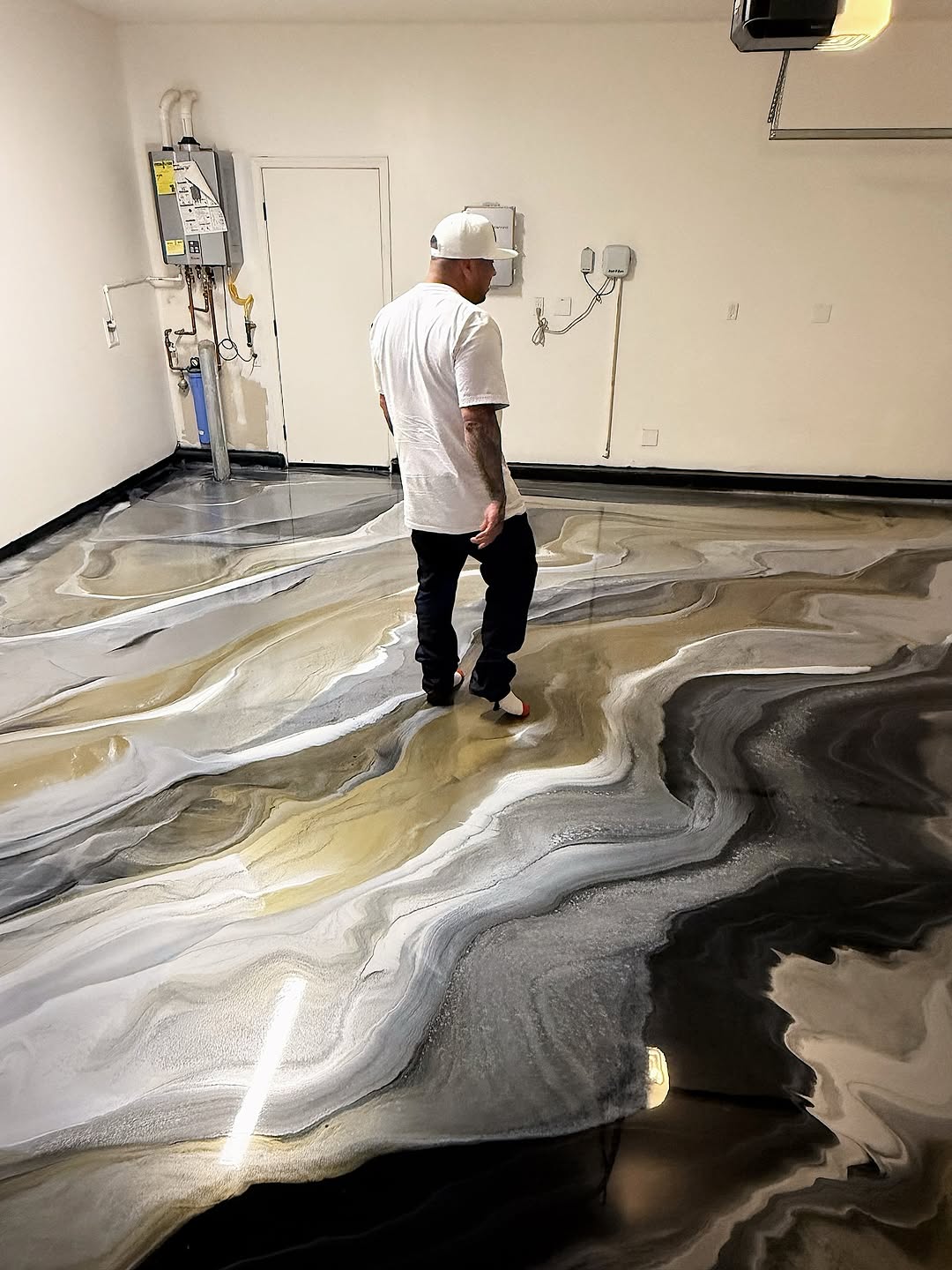
PROCESS
Fast cure does not mean fast prep. Gold Coast Resin’s polyaspartic installations start with the same thorough preparation as any system we install.
Surface Prep
Diamond grinding removes all surface contaminants and creates the bond profile the coating needs. Cracks and joints are repaired. Moisture testing determines whether a moisture-barrier primer is required before the polyaspartic system goes down.
Primer Coat
A penetrating primer coat ensures deep adhesion to the prepared slab and provides a stable, uniform foundation for the polyaspartic layers that follow. Skipping primer is a common shortcut that causes delamination under temperature cycling.
Polyaspartic Coat
The main polyaspartic coat goes down at the correct wet film thickness for the specified dry mil build. Working time management is critical at this stage. We work in conditions that allow proper flow and leveling without rushing the coat.
Topcoat and Inspection
A final topcoat coat brings the surface to the specified sheen level and delivers the full dry mil thickness for chemical and abrasion resistance. Johnny inspects the cured surface for any anomalies before signing off on the job.
POLYASPARTIC IN GILROY
Polyaspartic’s fast cure makes it attractive to installers who want to get on and off a job quickly, and that is precisely the problem. A misapplied polyaspartic coat that bubbles, fish-eyes, or delamminates in the first year is not an exception in the industry. It is the predictable result of applying a fast-curing coating in conditions that don’t support it, or without the prep that makes adhesion reliable.
Gold Coast Resin treats polyaspartic with the same seriousness as any other professional coating system. Prep is never abbreviated to take advantage of the fast cure. Environmental conditions, including temperature, humidity, and dew point, are assessed before application begins. And the formulation is chosen to match the working conditions, not defaulted to the fastest-curing version available regardless of context. Johnny uses multiple polyaspartic formulations depending on the job, the season, and the conditions on site in Gilroy.
Gilroy clients who choose polyaspartic from Gold Coast Resin get the speed advantage the coating is known for without the failure modes that come with cutting preparation corners to chase that speed. That is the difference between a floor that holds for a decade and one that needs replacing in two years.
The fast return-to-service is also why a lot of Gilroy businesses go this route. A shop, a tasting room, or a commercial kitchen cannot sit closed for the better part of a week while a standard epoxy cures out. Johnny schedules polyaspartic work around your hours, often prepping and coating over a slow day or a weekend so you walk back in on a cured, sealed floor and lose almost no operating time. He watches the temperature and dew point on the day, since a fast coating in the wrong conditions is exactly how bubbles and fish-eyes happen, and he keeps the site clean the entire time. When it is done he tells you honestly when the surface can take foot traffic versus loaded traffic, and he stands behind the result if anything needs another look.
PROJECTS
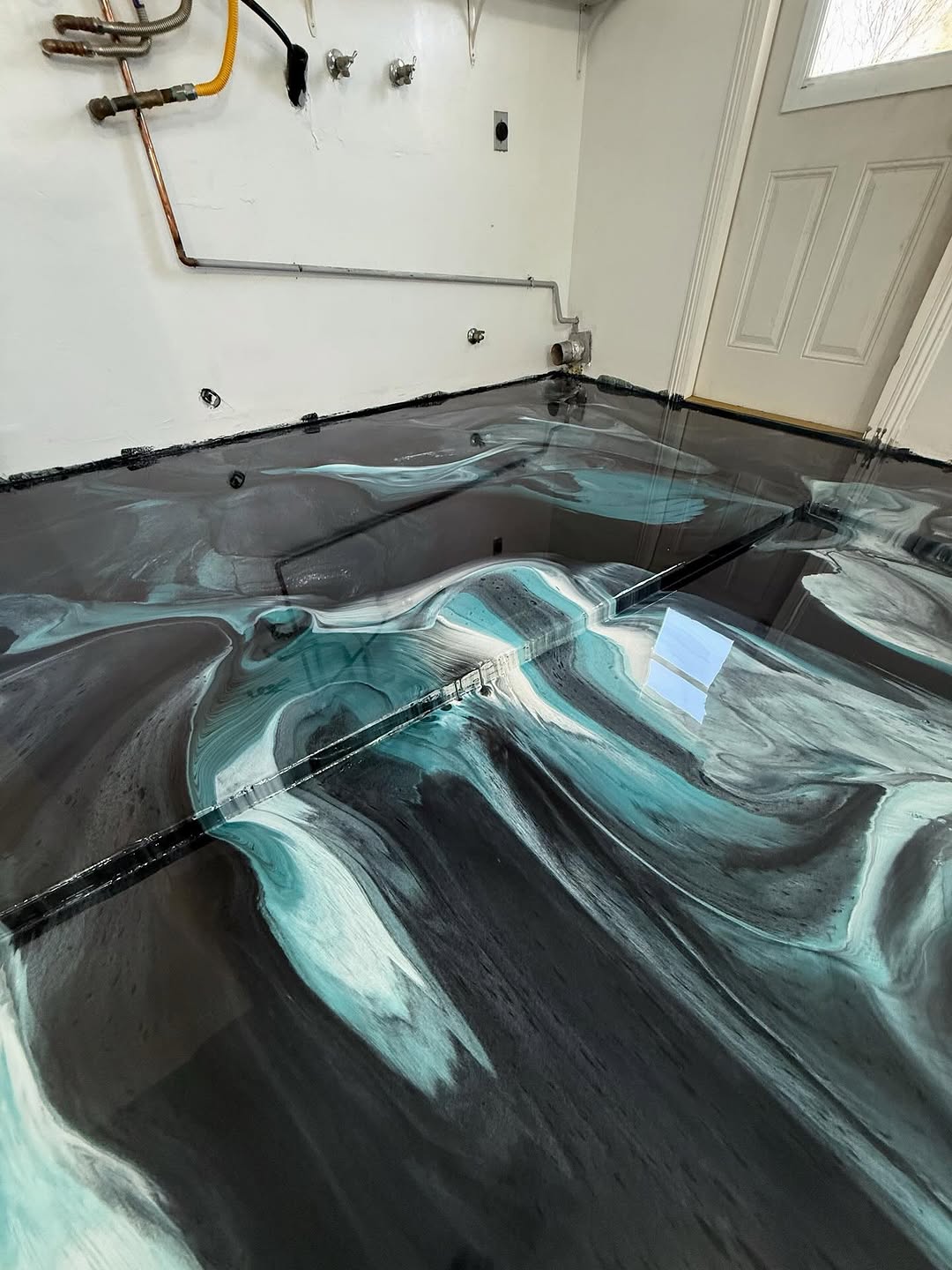
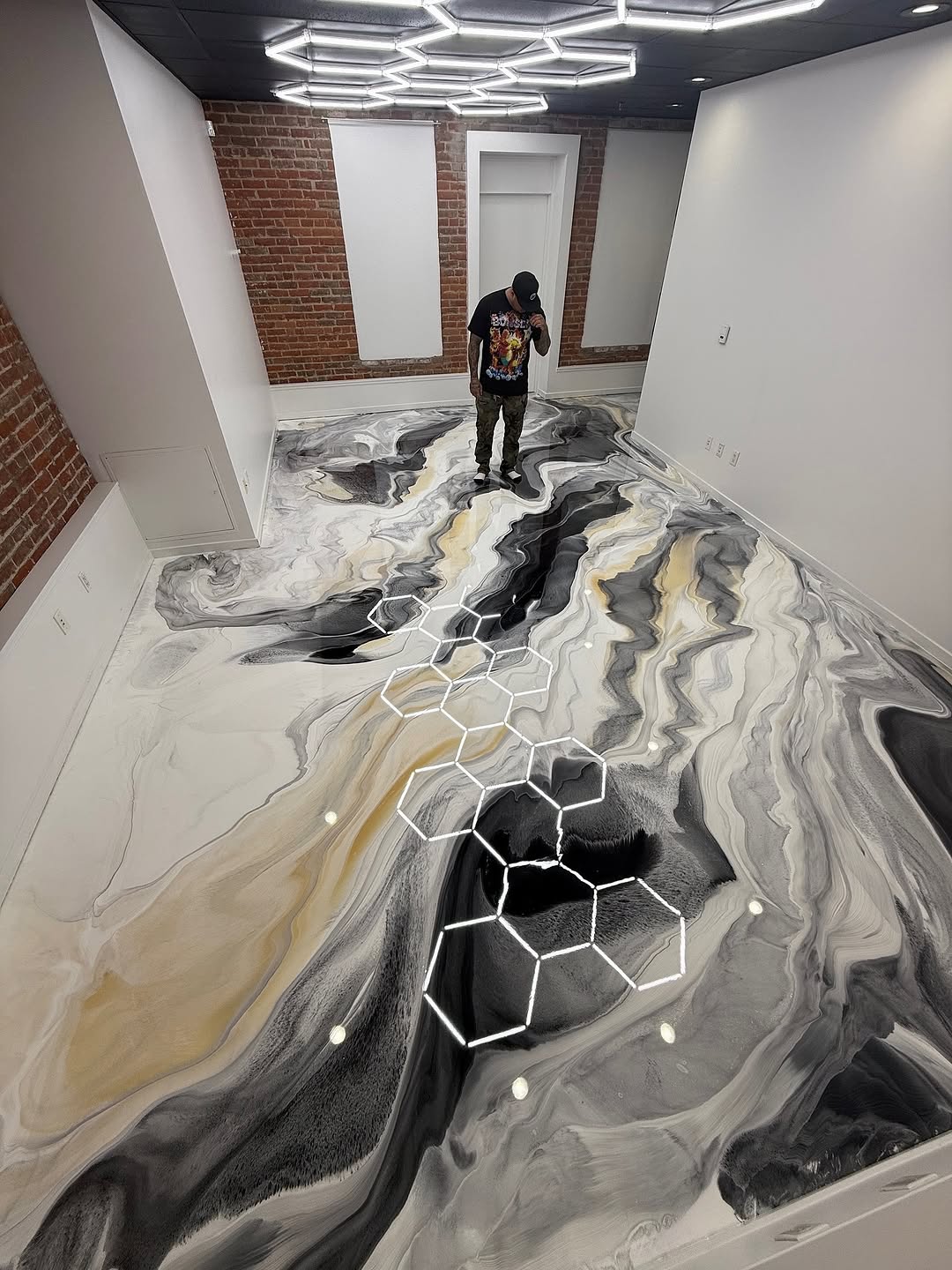
Browse recent polyaspartic installations and visit our full project gallery for more.

“My shop couldn’t be down for more than a day. Johnny made it work with polyaspartic. Floor was done, cured, and back in service before my guys came in the next morning.”Gilroy Business Owner, Commercial Shop Floor
FAQ
Get Your Gilroy Floor Back Fast
Call Johnny and tell him what your timeline looks like. We’ll design a polyaspartic system that fits your schedule without cutting the corners that would have it failing in two years.