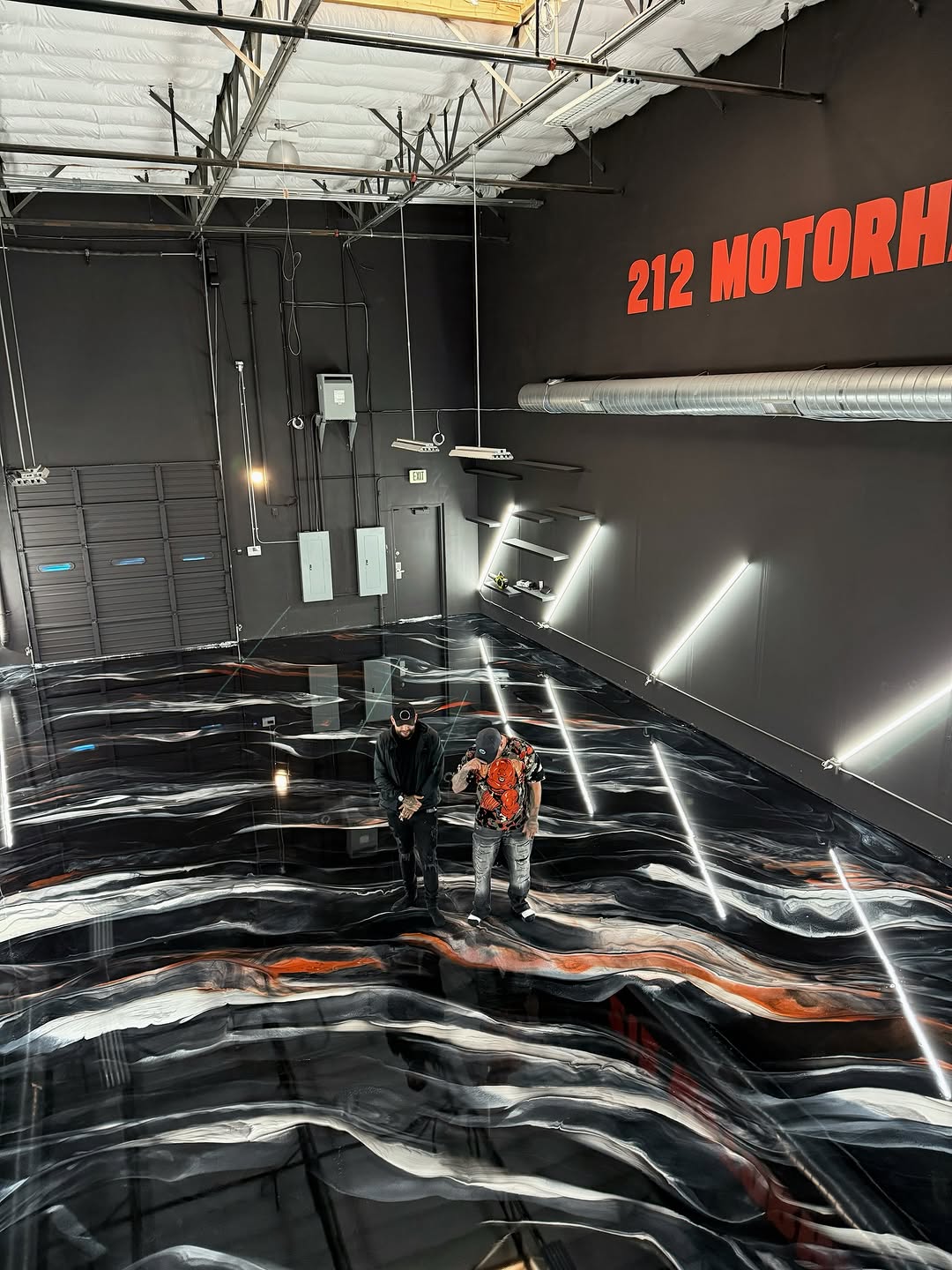
Urethane Cement Flooring — Thermal Shock Resistant
Urethane cement is the flooring system that thrives where every other coating fails. Gold Coast Resin installs urethane cement floors for commercial kitchens, food processing facilities, breweries, and any environment where extreme temperatures and aggressive chemicals destroy conventional epoxy.
JP Resin Certified·Don Resin Certified·160-Mile Radius
What Is URETHANE CEMENT
Urethane cement flooring is a hybrid system that combines the chemical resistance of urethane resin with the compressive strength and thermal stability of Portland cement. Unlike standard epoxy that softens and delaminates when exposed to extreme heat, urethane cement maintains integrity through temperature swings from below freezing to above 250 degrees Fahrenheit.
The system is applied at one-quarter to three-eighths inch thickness, creating a monolithic, seamless surface that eliminates joints and grout lines. The cementitious component provides exceptional compressive strength for heavy equipment. The urethane component resists organic acids, inorganic acids, alkalis, fats, oils, and cleaning chemicals.
Urethane cement floors are USDA-approved and FDA-compliant. The seamless, non-porous surface prevents bacterial harborage and can be steam-cleaned daily. Integral cove base eliminates the floor-to-wall joint. Anti-slip aggregate provides traction even when the floor is wet.
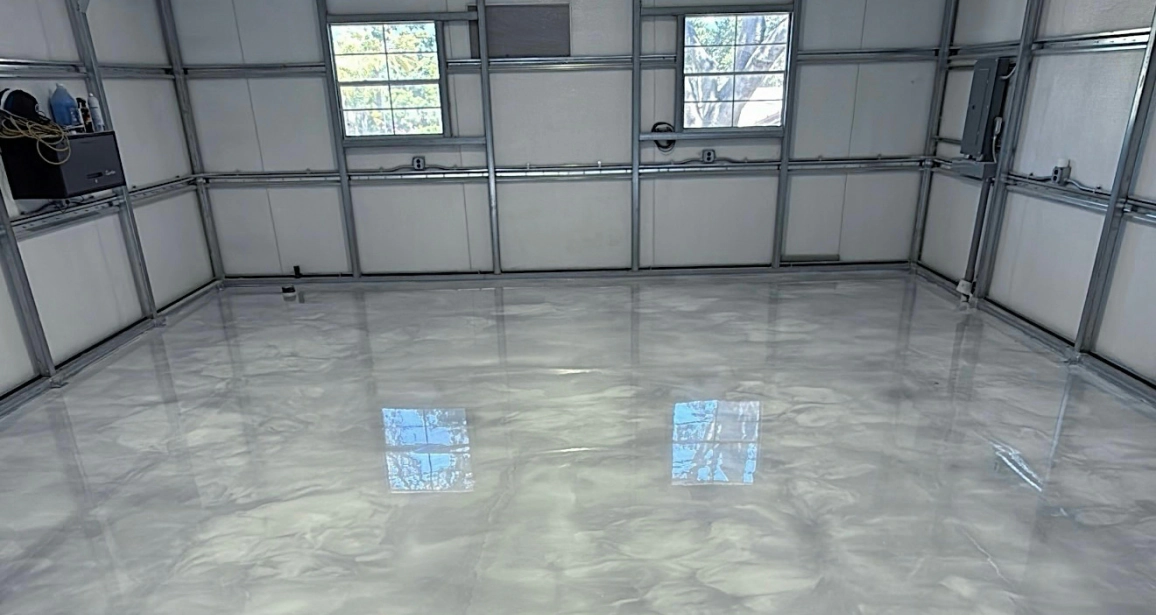
PROCESS
Every urethane cement installation follows a precise four-stage process engineered for maximum bond strength and fastest return to service.
Substrate Preparation
Industrial shot blasting or diamond grinding creates the aggressive profile needed for the thick urethane cement system. All cracks and joints are routed and filled.
Priming and Moisture Mitigation
Specialized urethane cement primer seals slab pores and creates a chemical bond layer. Moisture mitigation primer used for slabs with elevated vapor transmission.
Body Coat Application
Urethane cement is mixed on-site from resin, hardener, and cementitious aggregate in precise ratios. Anti-slip aggregate is broadcast into the wet surface. Integral cove base is formed at wall transitions.
Topcoat and Return to Service
Urethane or polyurethane topcoat seals the body coat. Light foot traffic within 12-16 hours. Full production traffic within 24-48 hours.
URETHANE CEMENT
Urethane cement installation is one of the most technically demanding flooring disciplines. The material has a short pot life, requires precise mixing ratios, and demands experienced hands for uniform thickness.
Johnny has installed urethane cement floors in commercial kitchens, food processing plants, breweries, and pharmaceutical facilities. Every project begins with a thorough facility assessment evaluating substrate conditions, chemical exposure, thermal cycling, traffic loads, and regulatory requirements.
Urethane cement’s fast return to service is one of its greatest advantages. Johnny coordinates with your operations team to schedule installations during planned shutdowns, minimizing disruption.
PROJECTS
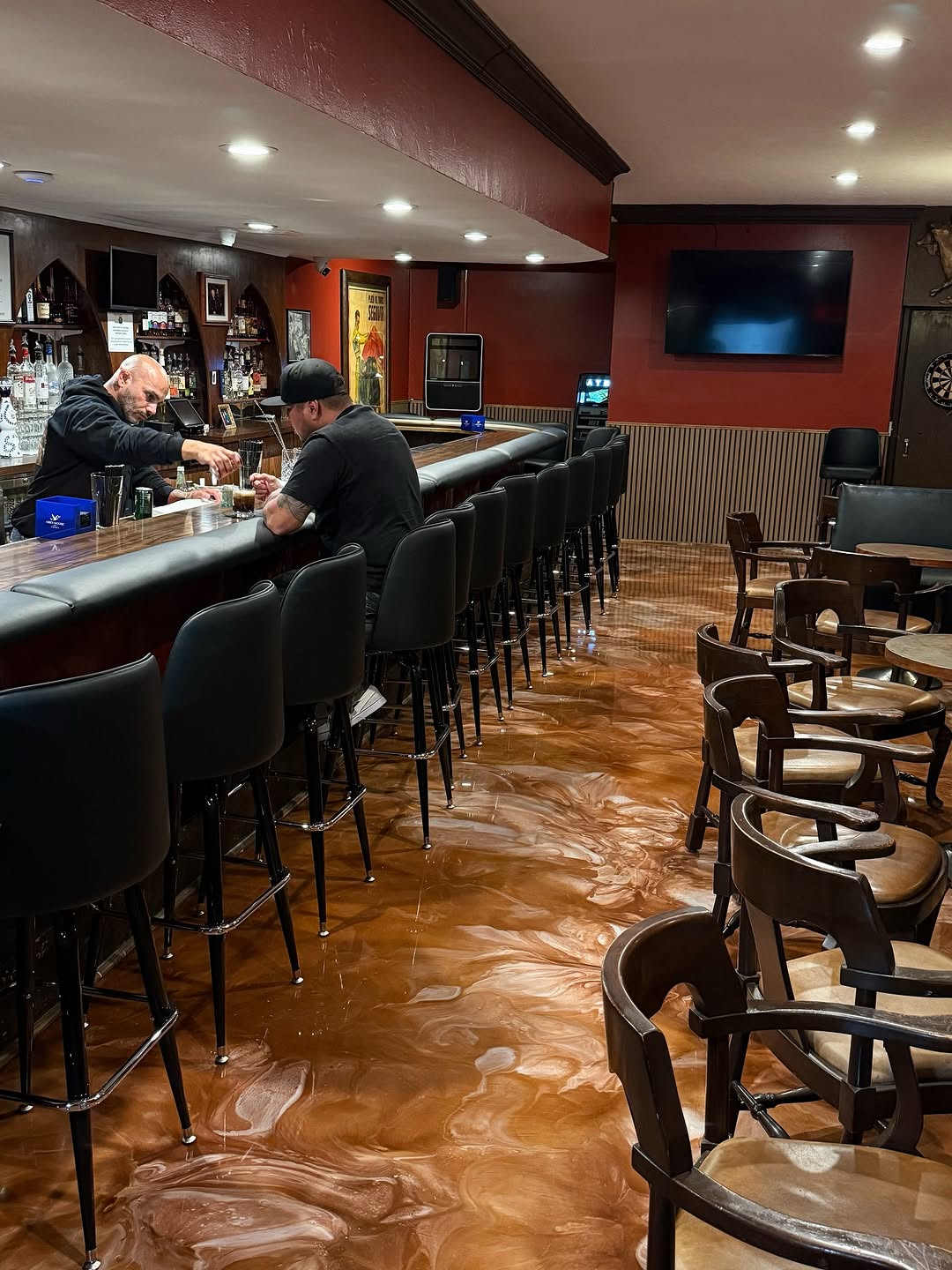
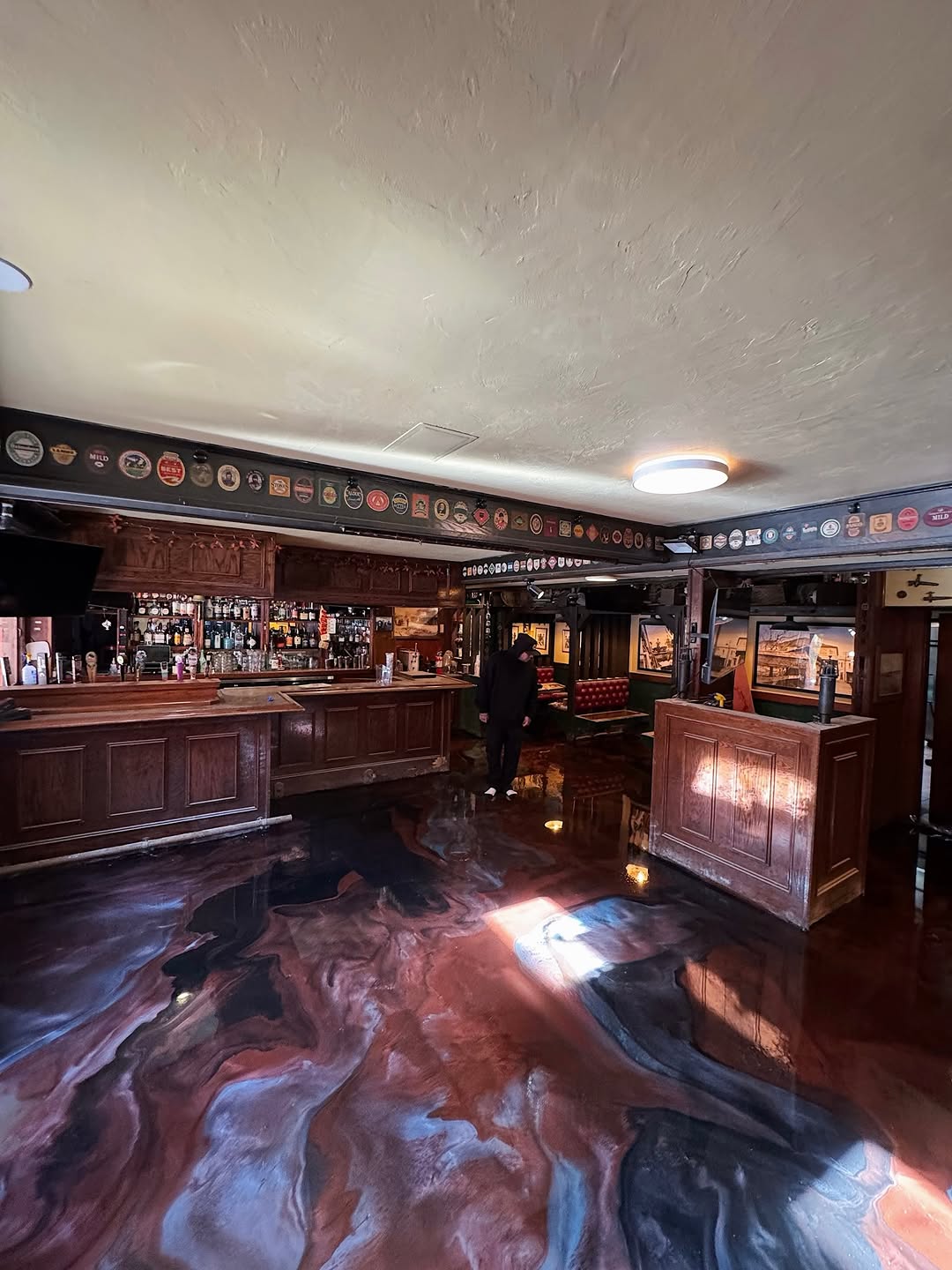
Industrial-grade flooring for facilities that demand the best. Visit our full project gallery.
“We had been replacing our kitchen floor every two years because the epoxy kept failing from steam cleaning. Johnny installed urethane cement and it has handled three years of daily abuse without a single issue. Should have done this from the start.”Restaurant Owner — Hollister, CA
FAQ
URETHANE CEMENT
Stop replacing failed epoxy floors. Call Johnny for a free facility assessment and urethane cement quote.