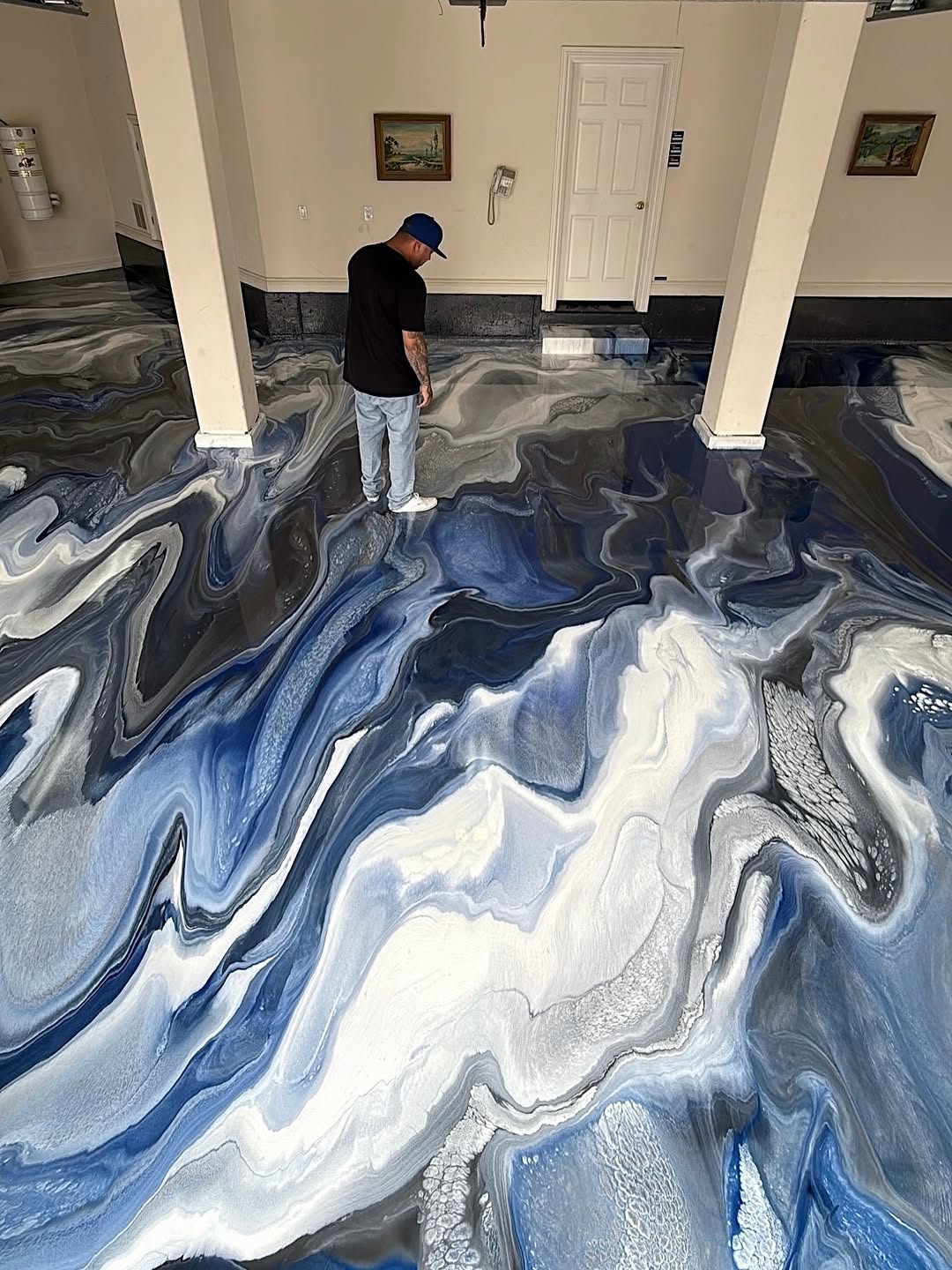
Metallic Epoxy Floors That Move Like Water
Every metallic floor Gold Coast Resin installs is a genuine one-of-a-kind creation, shaped by hand manipulation, heat, and the unpredictable beauty of metallic pigments flowing through clear resin. No two floors will ever look alike.
JP Resin Certified·Don Resin Certified·160-Mile Radius
What Makes Metallic Epoxy Different
Metallic epoxy is fundamentally unlike any other flooring system on the market. Where standard epoxy coatings create a uniform, predictable surface, metallic epoxy introduces genuine artistry into the equation. The system uses specially formulated metallic pigments suspended in a high-build epoxy resin that, when manipulated during application, create stunning three-dimensional effects that shift and shimmer as you move through the space.
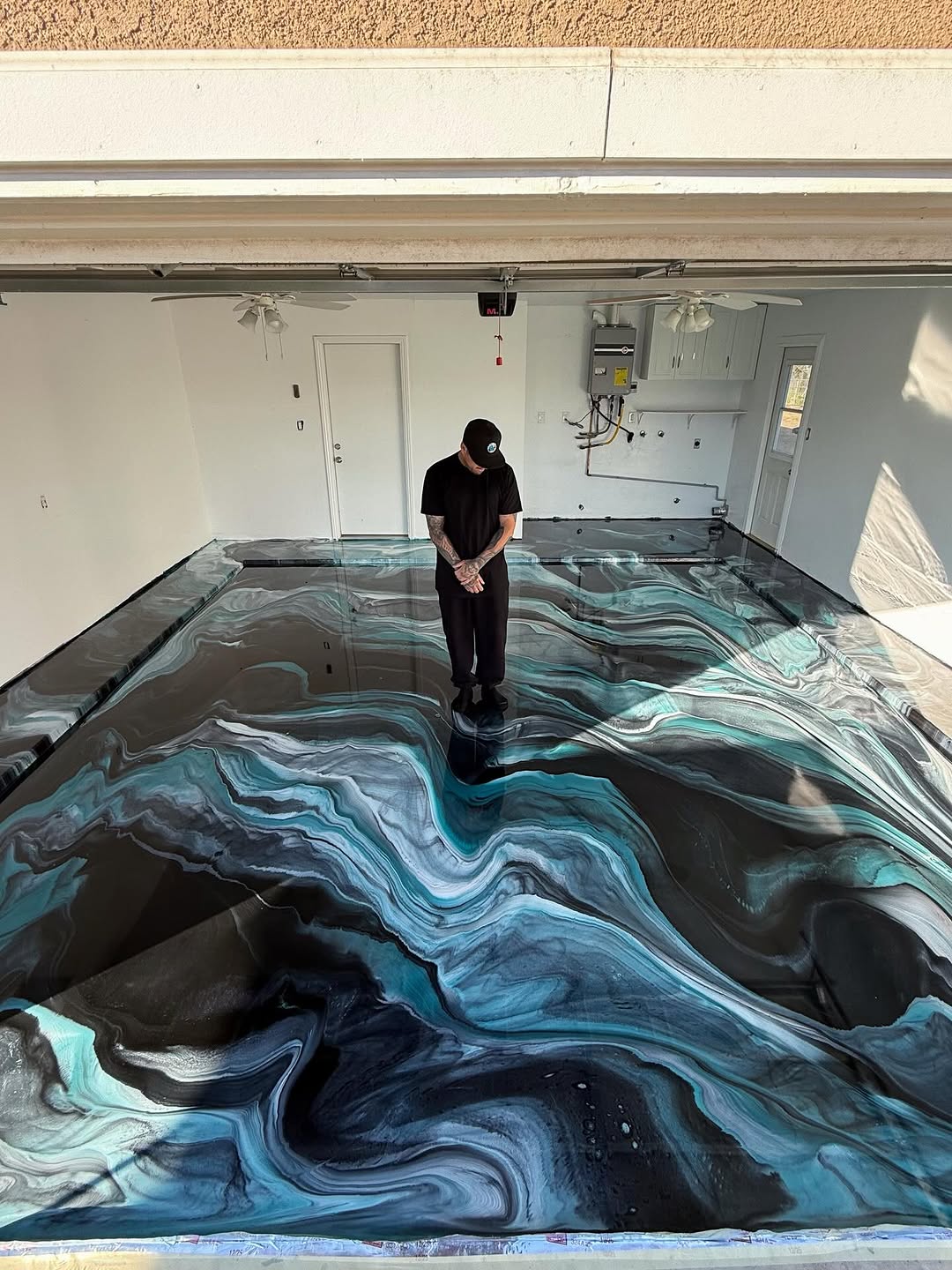
The magic of metallic epoxy lies in its unpredictability. Each pour responds differently to temperature, humidity, the specific pigments chosen, and the installer’s manipulation technique. Johnny uses a combination of heat guns, rollers, and hand tools to guide the metallic pigments into flowing, organic patterns that mimic everything from ocean waves and molten lava to polished marble and celestial nebulas.
The resin itself is a two-part system that cures to a rock-hard, smooth surface with remarkable clarity. Premium metallic pigments are available in dozens of colors, from brilliant golds and coppers to deep blues, silvery grays, and pearl whites. Multiple colors can be layered and blended during application to create custom color effects that match your interior design vision precisely.
How the Pigment Actually Moves
The thing people want to understand about a metallic pour is why the pattern happens at all. Metallic pigment is a very fine flake suspended in clear resin, and it is lighter than the resin around it. While the material is still liquid, those flakes migrate. They ride convection currents inside the film, they gather where surface tension changes, and they separate along any edge where two colors meet. Blowing across the surface with warm air opens a cell, pulling pigment outward into a ring. Dragging a trowel through a wet section stretches the flake into a vein. None of it is random, and none of it is fully controllable either, which is exactly what makes a metallic floor one of one.
The working window is short. Once the resin starts building viscosity the pigment stops moving and the pattern is locked, and no amount of additional work will change it after that. Depending on room temperature and slab temperature, Johnny might have twenty minutes to set an entire room. That is why he stages material, mixes in small batches, and works a floor in a planned sequence rather than pouring everything at once and improvising.
Slab Temperature Changes the Pattern Itself
A cold slab and a warm slab produce visibly different floors from identical material. Warm concrete accelerates the reaction, shortening the window and tightening the cell structure into smaller, busier patterns. A cold slab slows everything down, letting pigment drift further and producing broader, lazier movement. Neither result is wrong. But if you approved a sample poured on a warm afternoon and the real pour happens on a cold morning, the floor will surprise you. We read slab temperature with an infrared gun before opening a kit and adjust the plan to match what the floor is going to do that day.
Humidity carries its own effect. Pour into damp air and epoxy can develop amine blush, a waxy haze on the surface that has to be scrubbed off before the clear coat will bond to it. On coastal jobs we time around the morning marine layer. Inland in Valley heat we start early instead. Both calls are the difference between a clean cure and a defect somebody has to fix later.
Prep Under a Metallic Floor Is Unforgiving
Metallic hides nothing. A high-gloss clear over a mirror-flat film magnifies whatever sits underneath it, so a dip in the slab, a leftover adhesive ridge, or a patch that cured at a different rate will read straight through the finished floor. We diamond grind to a full profile, chase and fill cracks with a flexible polyurea that keeps moving with the slab, and level low spots before the base coat instead of hoping the resin floats them out. It will not. Resin follows the slab it is poured on.
Moisture testing happens before any of that. A slab pushing vapor will lift the most beautiful metallic floor ever poured, and there is no repair short of grinding it off and starting over. When a test reads high we specify a mitigating primer, explain why it is there, and price it in. The topcoat is a polyaspartic clear carrying UV stabilizers, which keeps the color from ambering where sun reaches it and puts you back on the floor the same day. To talk through colors and find out what your slab needs, call (650) 797-3040 for a free look at the slab and a firm price.
PROCESS
Every metallic epoxy installation follows a precise four-stage process that balances preparation science with creative artistry.
Surface Preparation
Diamond grinding removes contaminants, opens the slab pore structure, and creates a mechanical bond profile. We repair cracks, fill joints, and level any low spots to ensure a flawless canvas.
Base Coat Application
A pigmented epoxy base coat establishes the foundation color and ensures complete coverage. The base color is chosen to complement and enhance the metallic pigments that follow.
Metallic Pour
This is where the artistry happens. Metallic pigments are mixed into clear epoxy and poured across the floor. Johnny uses heat guns, rollers, and hand tools to guide the pigments into flowing, organic designs.
Topcoat and Cure
A high-performance polyaspartic or polyurethane clear topcoat seals and protects the metallic layer. Provides UV resistance, scratch protection, and additional depth to the metallic effects.
METALLICS
Metallic epoxy is one of the most unforgiving flooring systems to install. The resin has a limited working time, the pigments are sensitive to temperature and technique, and mistakes cannot be sanded out or touched up after the material begins to cure.
Johnny Mendoza has poured hundreds of metallic floors across Central California, developing the instinct and technique that separates truly stunning results from the blotchy, uneven metallic floors that plague less experienced installers. Every metallic floor Gold Coast Resin creates uses premium pigments from the industry’s top manufacturers, never the bargain alternatives that fade or produce muddy results. Johnny’s hand-manipulation technique has been refined through years of continuous metallic work, producing the flowing, three-dimensional effects that clients describe as breathtaking.
Gold Coast Resin backs every metallic floor with a commitment to quality that extends well beyond the installation day. Johnny personally evaluates your existing floor, discusses color options and design direction, oversees every stage of the installation process, and follows up to ensure your floor performs as promised for years to come.
PROJECTS
Every metallic floor is unique. Browse recent installations and visit our full project gallery for more.
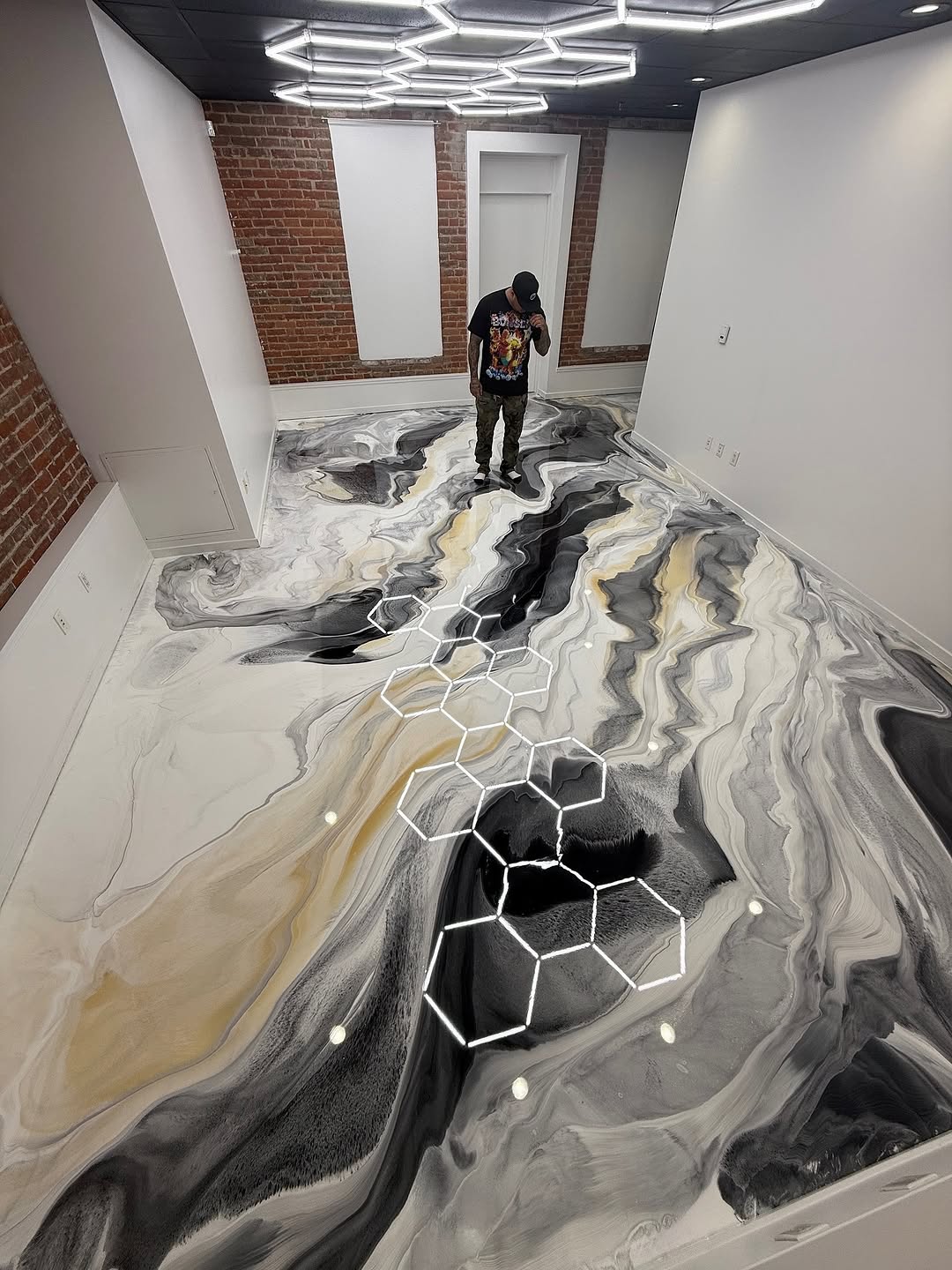
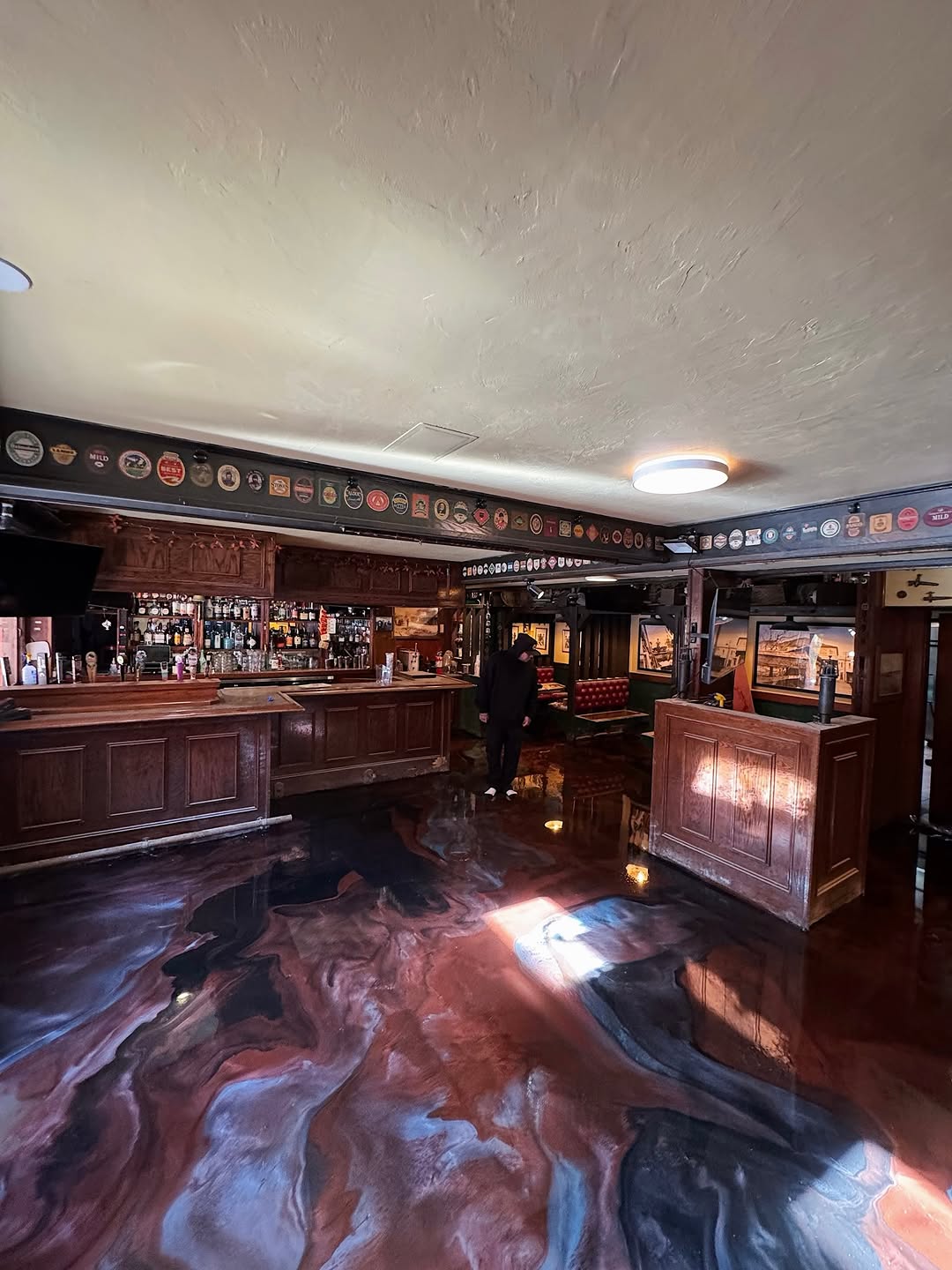

“Johnny turned our garage into something people actually stop and photograph. The metallic floor has these incredible swirls of silver and blue that look completely different depending on where you stand”Homeowner, Gilroy, CA
FAQ
PROJECT
Ready to turn your existing floor into a one-of-a-kind work of art? Call Johnny for a free metallic epoxy consultation and quote.