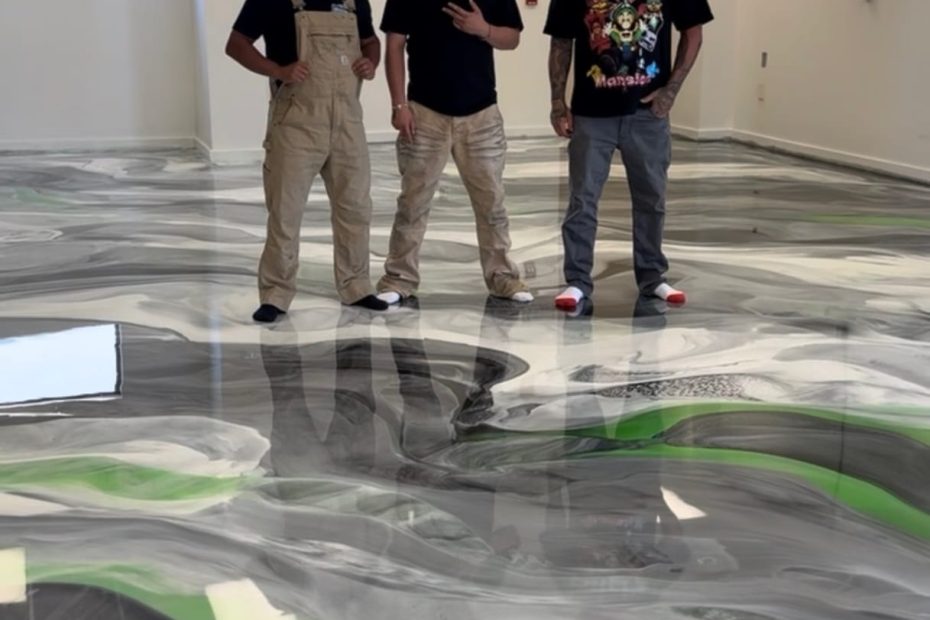
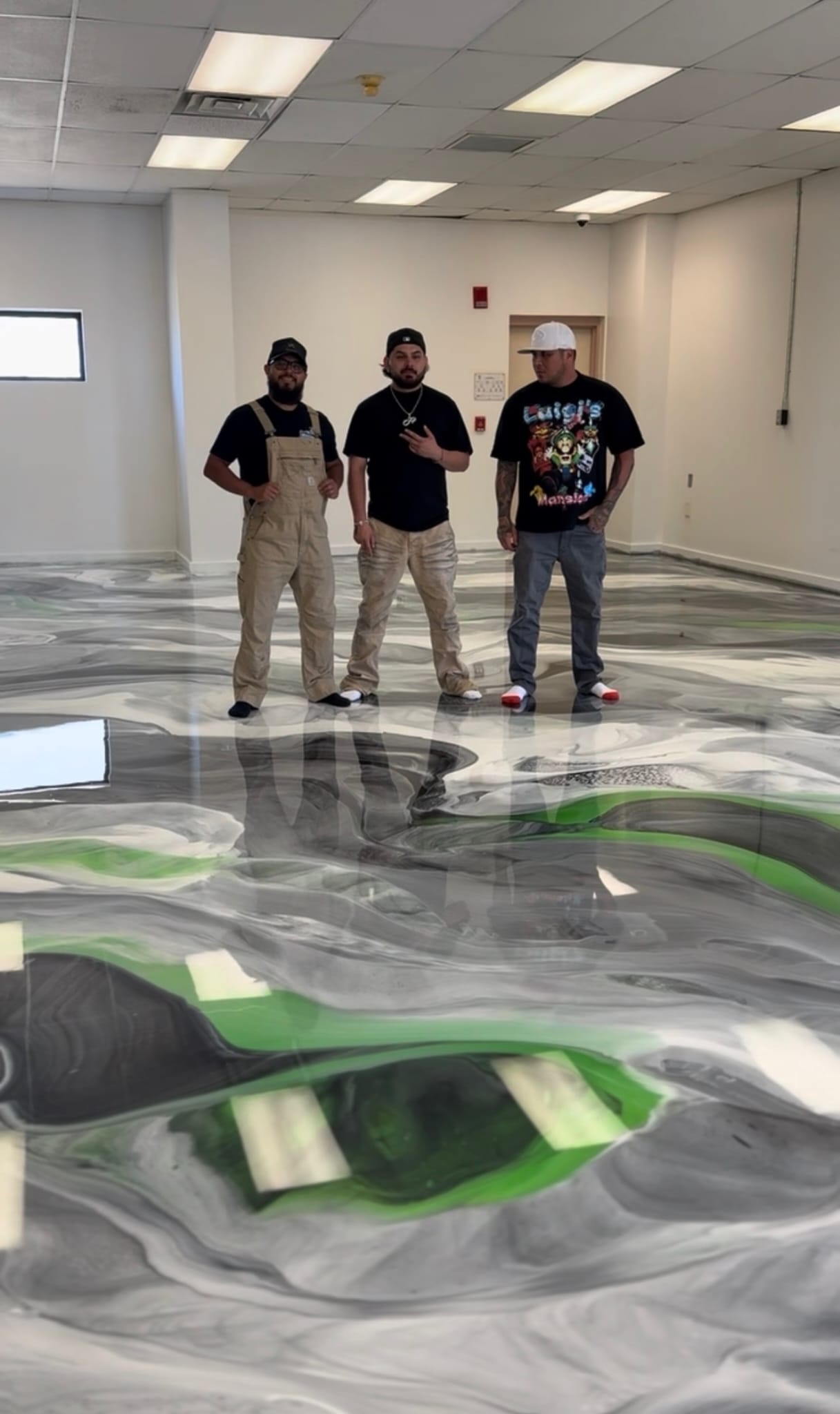
Metallic epoxy works well in Morgan Hill wine cellars and tasting rooms because it handles wine spills cleanly, looks dramatic in low-light cellar environments, and lasts 20+ years. It costs a fraction of a natural stone floor per square foot. Pattern is artistic, every floor unique.
Why Wine Cellars Choose Metallic
Wine cellars and tasting rooms benefit from floors that read elegant, handle spills, and require minimal maintenance. Tile is high-maintenance (grout). Stone is expensive. Polished slab is too industrial. Metallic epoxy hits the sweet spot.
Visual depth from pearl pigments reads luxury. Polyaspartic topcoat handles wine spills (red wine cleans cleanly with mild soap and water). Lifespan 20+ years matches the cellar's long-term use.
Color Combinations for Cellars
Warm tones suit traditional cellar aesthetics: copper-on-bronze, gold-on-walnut, terracotta-on-amber. The metallic patina deepens visually under cellar lighting (typically warm-tone LED or incandescent).
Cool tones work for modern Morgan Hill homes with contemporary wine rooms: silver-on-pewter, navy-on-graphite. Sample boards always shown. We've completed a number of Morgan Hill and Santa Clara County wine cellar metallic floors.
Installation in Climate-Controlled Cellars
Wine cellars maintain consistent temperature (55-60F) and humidity (60-70 percent). Both are friendly to polyaspartic cure. We install during a multi-day window when the cellar is unoccupied; pour day, cure day, topcoat day.
Surface prep mirrors standard system: diamond grind, vacuum, joint fill. Wine cellar slabs sometimes have prior moisture issues we test for before quoting. Pre-existing slab cracks get polyurea fill before primer.
Maintenance in a Wine Environment
Wine spills clean with mild soap and water within 30 minutes. Older spills may need a longer dwell time. Polyaspartic doesn't stain from red wine. The pearl pigments don't shift color with chemical exposure.
Annual sweep + wet-mop. No sealing, no waxing. Refresh-coat at 10 to 15 years extends life by another decade. No special wine-cellar maintenance protocol.
Cost vs Tile and Stone
Metallic epoxy is the most affordable of the three per square foot. Tile runs higher once grout work is included. Stone slab (limestone, slate) tops the range by a wide margin.
Lifecycle cost favors metallic: no grout to clean or replace, no stone resealing, polyaspartic refresh every 10 to 15 years. Most Morgan Hill wine cellar projects choose metallic on cost-quality calculus.
Morgan Hill Resin Flooring FAQ
Will red wine stain?
No. Polyaspartic topcoats don't absorb wine. Clean with mild soap and water within 30 minutes for best results.
Cost vs slate or limestone tile?
Metallic is roughly 40 to 60 percent the cost of slate or limestone slab installed.
Cellar temperature affect cure?
55-60F cellar temperatures are within polyaspartic cure range. We schedule installs to avoid peak summer when cellar may be opening to warmer house air.
Pattern variability?
Every metallic floor is unique. Sample boards show range. Pour is artistic.
Refresh schedule?
Light sand and re-topcoat every 10 to 15 years. Doubles system lifespan.
Need Morgan Hill Metallic Epoxy?
10+ years of resin flooring experience across Morgan Hill and the Hollister area.
Free Estimate (650) 797-3040Read our full Morgan Hill Metallic Epoxy page · More posts · Get a free estimate